Receded or thinning temples create an aged appearance that undermines facial aesthetics. Temporal hair loss leaves the face inadequately framed, even when the frontal hairline remains intact. Naturally weak or absent temple points create unflattering facial proportions. Previous hair transplant procedures often focus exclusively on frontal hairline restoration while neglecting critical temporal regions. Disproportionate temple recession creates facial imbalance affecting overall appearance. Complete hairline restoration requires addressing both frontal and temporal regions-proper temporal framing is essential for youthful facial aesthetics.
Dr. David N. Sayah is a board-certified plastic surgeon with fellowship training in advanced endoscopic techniques and over 15 years of experience specializing exclusively in procedures for men. His unique background as an accomplished oil painter and sculptor provides exceptional insight into facial framing, the golden ratio principles that govern attractive faces, and how temple points influence overall facial aesthetics. His UCLA Medical Center surgical training emphasized precision in complex procedures requiring artistic judgment about proportion and balance.
Temple hair restoration uses advanced FUE (Follicular Unit Extraction) technology to rebuild receded temporal regions, recreating the natural temple points that frame the face. This specialized form of hair transplantation requires understanding masculine temple anatomy, appropriate density requirements, and the transition angles where temples meet the frontal hairline. Properly restored temples dramatically improve facial framing and create more youthful, balanced appearance.
Great Experience! I’m glad I went to Dr. Sayah because he specializes in male plastic surgery. His staff was also great, when I walked into the office I felt like I was being greeted by friends. I’m very happy with my results and I would highly recommend Dr. Sayah to anyone considering plastic surgery.
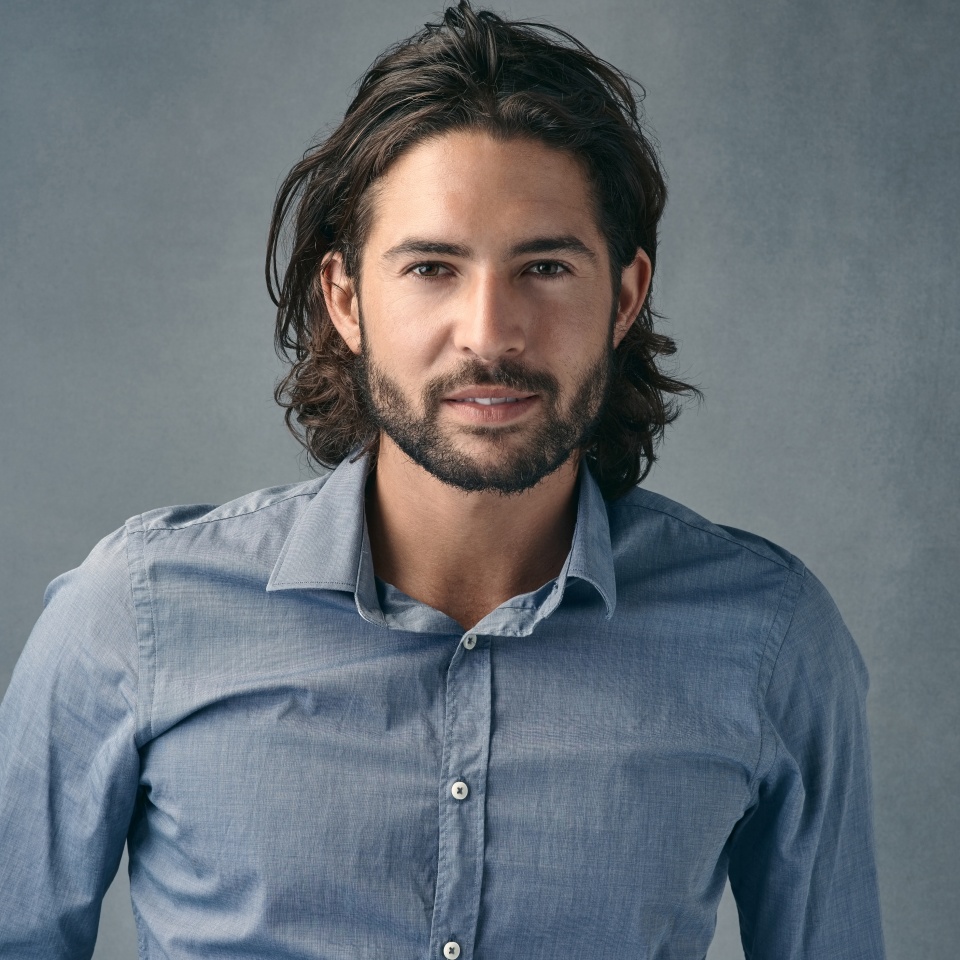
Understanding Temple Hair Restoration
Temple recession is often the first visible sign of male pattern baldness, yet it’s frequently overlooked during hair restoration planning. The temporal regions (areas at the sides of the forehead above the ears) play a critical role in facial framing-creating the transition between hairline and sideburns. When temples recede significantly, faces appear longer, older, and less balanced even when frontal hairlines remain relatively intact.
Temple restoration involves transplanting follicular units into receded temporal areas following natural growth patterns and appropriate angles. The procedure requires specialized technique because temple hair grows at different angles than frontal hairline hair, requires specific density for natural appearance, and must integrate seamlessly with existing hair. When performed expertly, temple restoration dramatically improves facial proportions and creates comprehensive hairline improvement.
Why Men Choose Temple Restoration in Los Angeles
Men seek temporal reconstruction when framing matters:
Receded Temple Points
Your temporal regions have receded significantly creating aged appearance even though frontal hairline remains relatively intact.
Incomplete Hairline
Previous hair transplant surgery restored frontal area but ignored temples leaving your hairline improvement incomplete and unnatural-looking.
Facial Framing Concerns
Lost temple points make your face appear elongated, narrow, or poorly framed affecting overall facial aesthetics.
Early Temple Recession
Your temples are receding faster than frontal hairline requiring specific attention before extensive frontal loss occurs.
Naturally Weak Temples
You’ve always had poorly defined temple points creating facial imbalance you want corrected for better proportions.
Post-Facelift Adjustment
Facelift surgery pulled your sideburns too high creating temporal gaps requiring hair restoration for natural appearance.
Scar Coverage
Accidents, burns, or previous surgeries left temporal scars where hair no longer grows creating visible damage.
Comprehensive Restoration
You want complete hairline restoration addressing both frontal and temporal regions for optimal facial framing.
“Temple restoration is one of the most underappreciated aspects of hairline surgery,” explains Dr. Sayah. “Many surgeons focus exclusively on frontal hairline recession while neglecting the temples-yet temporal framing is absolutely critical to youthful facial appearance. Well-defined temple points create that triangular hairline shape that frames the face naturally. When temples are missing or receded, even excellent frontal work can look unnatural or incomplete. My background as a painter trained me to see faces holistically-understanding how every element relates to the whole composition. Temple points aren’t just decorative; they’re structural elements that define facial proportions. My exclusive focus on male patients means I understand masculine temple characteristics-appropriate depth, angle, and density that enhance rather than feminize. The difference between good and exceptional hairline restoration often comes down to whether the temples were properly addressed.”
Temple Hair Restoration Technique
Creating natural temporal reconstruction:
Artistic Temple Design
- Proportional Assessment: Evaluating facial structure, hairline position, and temporal recession determining appropriate temple point depth and shape.
- Age-Appropriate Planning: Creating temple restoration suitable for your age-avoiding overly aggressive juvenile temples that appear unnatural.
- Masculine Characteristics: Designing temple points with appropriate angulation and depth for male faces rather than softer feminine patterns.
- Integration Planning: Ensuring seamless transition between restored temples and frontal hairline creating unified, natural appearance.
Strategic Graft Placement
- Angle Matching: Implanting grafts at proper angles matching natural temple hair growth-typically 30-45 degrees following downward trajectory.
- Directional Flow: Following natural temple hair direction-growing downward and slightly forward rather than perpendicular like scalp hair.
- Appropriate Density: Achieving natural temple density-fuller than wispy but not as dense as frontal hairline avoiding unnatural appearance.
- Transition Zones: Creating smooth density graduation from temple points into frontal hairline and downward into sideburn regions.
Graft Distribution
- Single Hair Grafts: Using predominantly single-hair follicular units at temple borders creating soft, natural edges.
- Progressive Density: Gradually increasing density from temple edges toward denser central regions avoiding abrupt changes.
- Natural Irregularity: Creating subtle asymmetry and irregularity characteristic of natural temples rather than perfectly symmetric patterns.

The Benefits of Temple Hair Restoration
Temporal reconstruction provides facial improvement:
Enhanced Facial Framing
Well-defined temples frame face naturally creating youthful appearance and balanced proportions.
Comprehensive Hairline
Complete restoration addressing both frontal and temporal regions rather than incomplete frontal-only results.
Aged Appearance Reversal
Restored temple points significantly reduce aged appearance even when other facial features remain unchanged.
Natural Proportions
Recreate triangular hairline shape that defines attractive masculine faces improving overall aesthetics.
Seamless Integration
Properly placed temples integrate naturally with frontal hairline and sideburns avoiding obvious transplant appearance.
Permanent Results
Transplanted temporal hair remains and grows permanently throughout life requiring only normal grooming.
Recovery After Temple Hair Restoration
Post-procedure healing timeline:
- First 24-48 Hours: Mild swelling around temples and potentially upper face. Small scabs form at transplant sites. Sleep elevated minimizing swelling.
- Days 3-7: Swelling improving. Scabs beginning to soften and fall off naturally. Most men return to desk work comfortably.
- Days 7-14: Scabs completely gone revealing transplanted follicles. Can resume all normal activities including exercise.
- Weeks 2-4: Transplanted temple hairs shed (completely normal-temporary shedding, not permanent loss). Temples appear similar to pre-procedure.
- Months 3-4: New temple hair growth begins emerging from transplanted follicles. Initial growth appears fine, gradually thickening.
- Months 6-8: Substantial improvement visible with approximately 60-70% of final result apparent. Temples continuing to fill.
- Months 12-18: Final results fully apparent. All transplanted follicles have grown. Temples achieve terminal thickness and density. Results permanent.
Graft Numbers and Coverage Planning
Understanding realistic requirements:
- Minor Temple Fill-In: 200-400 grafts total (100-200 per side) address mild recession or add modest density to thin temples.
- Moderate Temple Restoration: 400-600 grafts total rebuild moderately receded temple points creating noticeable improvement.
- Significant Temple Reconstruction: 600-1,000 grafts total restore extensively receded temples rebuilding substantial temporal framing.
- Temple-Only Sessions: Some men undergo temple-focused procedures without frontal work when temples are primary concern.
- Combined Procedures: Many patients combine temple restoration with frontal hairline work in single comprehensive session.
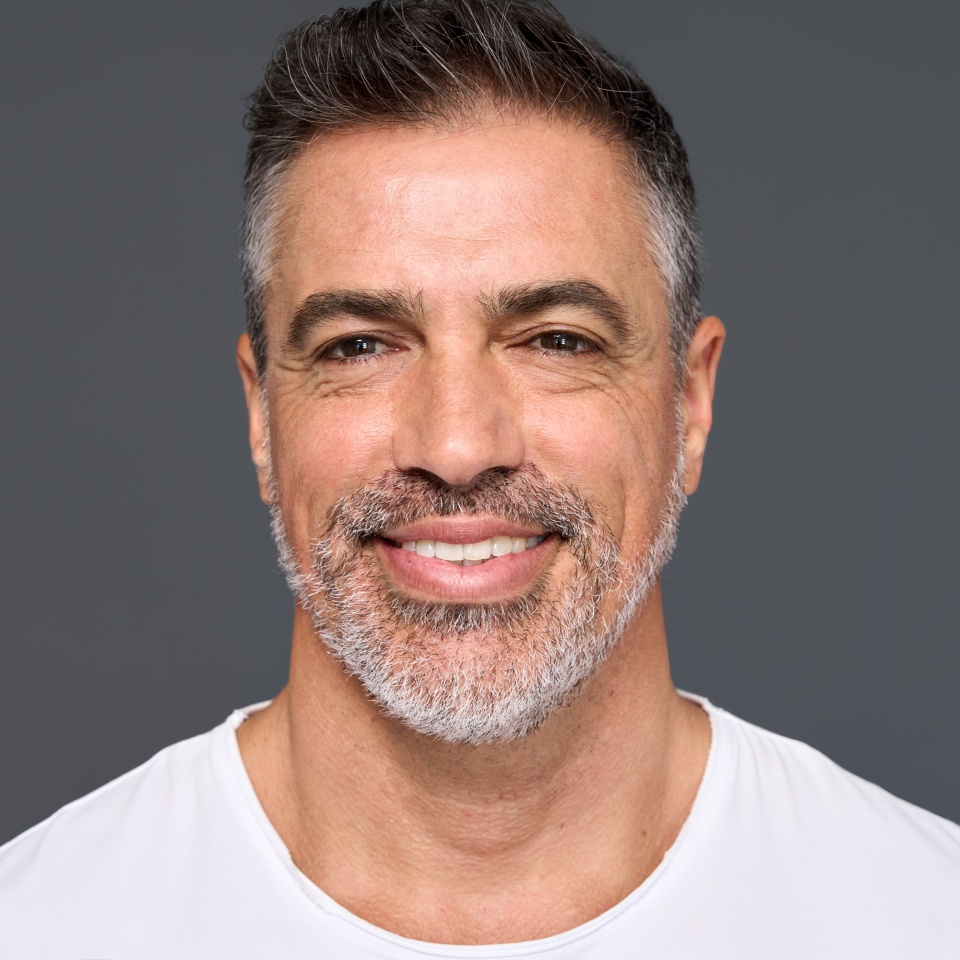

Combining Temple Restoration With Hairline Work
Optimal results through integrated approach:
- Temple restoration combined with frontal hairline work creates complete, natural-looking hairline
- Addressing both regions simultaneously provides unified aesthetic result with single recovery period
- Some men require temple work years after initial frontal restoration as recession continues
- Strategic planning considers current hairline and potential future recession patterns
- Comprehensive approach achieves superior facial framing compared to piecemeal procedures
Dr. Sayah evaluates whether temple-only or combined approach best serves your restoration goals during consultation.
Candidacy and Realistic Expectations
Understanding suitability for temple restoration:
- Good Candidates: Men with temple recession affecting facial framing, stable donor areas, realistic expectations about density and coverage.
- Consultation Assessment: Examining degree of temporal recession, remaining hair density, donor availability, and overall hairline pattern.
- Density Limitations: Understanding that restored temples may not achieve identical density to natural pre-loss temples but create significant improvement.
- Maintenance Planning: Accepting that continued hair loss may require future procedures addressing progressive recession in other areas.
- Integration Goals: Realistic expectations about seamless integration with existing hair rather than perfectly uniform density throughout.
Frequently Asked Questions About Temple Hair Restoration
-
Graft requirements vary based on extent of temporal recession and desired restoration depth. Minor temple fill-in typically requires 200-400 grafts total (100-200 per side). Moderate temple restoration usually needs 400-600 grafts rebuilding noticeable temple points. Significant reconstruction of extensively receded temples can require 600-1,000 grafts creating substantial temporal framing. During consultation, Dr. Sayah examines your temporal recession, discusses your aesthetic goals, and provides accurate graft estimates for your specific situation. Temple restoration typically requires fewer grafts than extensive frontal hairline work but creates dramatic improvement in facial framing and proportions.
-
Yes–temple-only restoration is definitely possible when temporal recession is your primary concern and frontal hairline remains relatively intact. Many men experience earlier or more pronounced temple recession compared to central frontal hairline, making temple-focused procedures appropriate. However, if you have both temple and frontal recession, addressing both regions simultaneously typically creates more natural, comprehensive results. Dr. Sayah evaluates your complete hairline pattern during consultation and recommends whether temple-only or combined approach best achieves your aesthetic goals and creates most natural-looking outcomes.
-
When performed by experienced surgeons using proper technique, temple restoration appears completely natural and indistinguishable from natural temple hair. Critical factors creating authentic appearance include proper angle placement matching natural temple hair growth (30-45 degrees downward trajectory), correct directional flow growing downward and forward, appropriate density avoiding both wispy and overly dense extremes, smooth transitions integrating with frontal hairline and sideburns, and age-appropriate temple depth avoiding juvenile patterns. Dr. Sayah’s artistic background provides unique insight into natural temple patterns and facial framing principles ensuring restored temples enhance rather than detract from your appearance.
-
Temple restoration results are permanent. The transplanted follicles are harvested from DHT-resistant zones on the back and sides of your head that are genetically programmed to grow throughout life. When moved to temple areas, these follicles retain their genetic resistance and continue growing permanently. However, it’s important to understand that native hair in other areas may continue receding over time depending on your genetic pattern. Many men use finasteride to preserve remaining native hair while transplanted temple hair remains permanent. You may desire additional procedures in future to address continued recession in frontal or crown areas as natural hair loss progresses.
-
Yes–if temple recession is affecting your facial framing and aesthetics, addressing temples specifically can create significant improvement even when frontal hairline remains relatively intact. Well-defined temple points are critical to youthful facial appearance and proper proportions. Temple recession makes faces appear longer, narrower, and aged even when other hairline areas look good. Many men experience disproportionate temple recession compared to frontal areas, making temple-focused restoration appropriate. During consultation, Dr. Sayah evaluates your complete hairline and facial proportions, providing honest assessment about whether temple restoration alone would create meaningful improvement or whether combined approach is preferable.
-
Yes–temple restoration can successfully address temporal hair loss or sideburn elevation from facelift surgery. Facelift procedures sometimes pull sideburns too high or create visible scarring in temporal regions where hair no longer grows. Hair transplantation can lower sideburns, fill temporal gaps, and camouflage surgical scars creating natural appearance. However, success depends on scar tissue quality and blood supply in the area. Some cases require staged procedures allowing initial grafts to establish blood supply before adding additional density. Dr. Sayah evaluates post-facelift temporal concerns during consultation determining realistic expectations for restoration and whether single-session or staged approach is most appropriate.
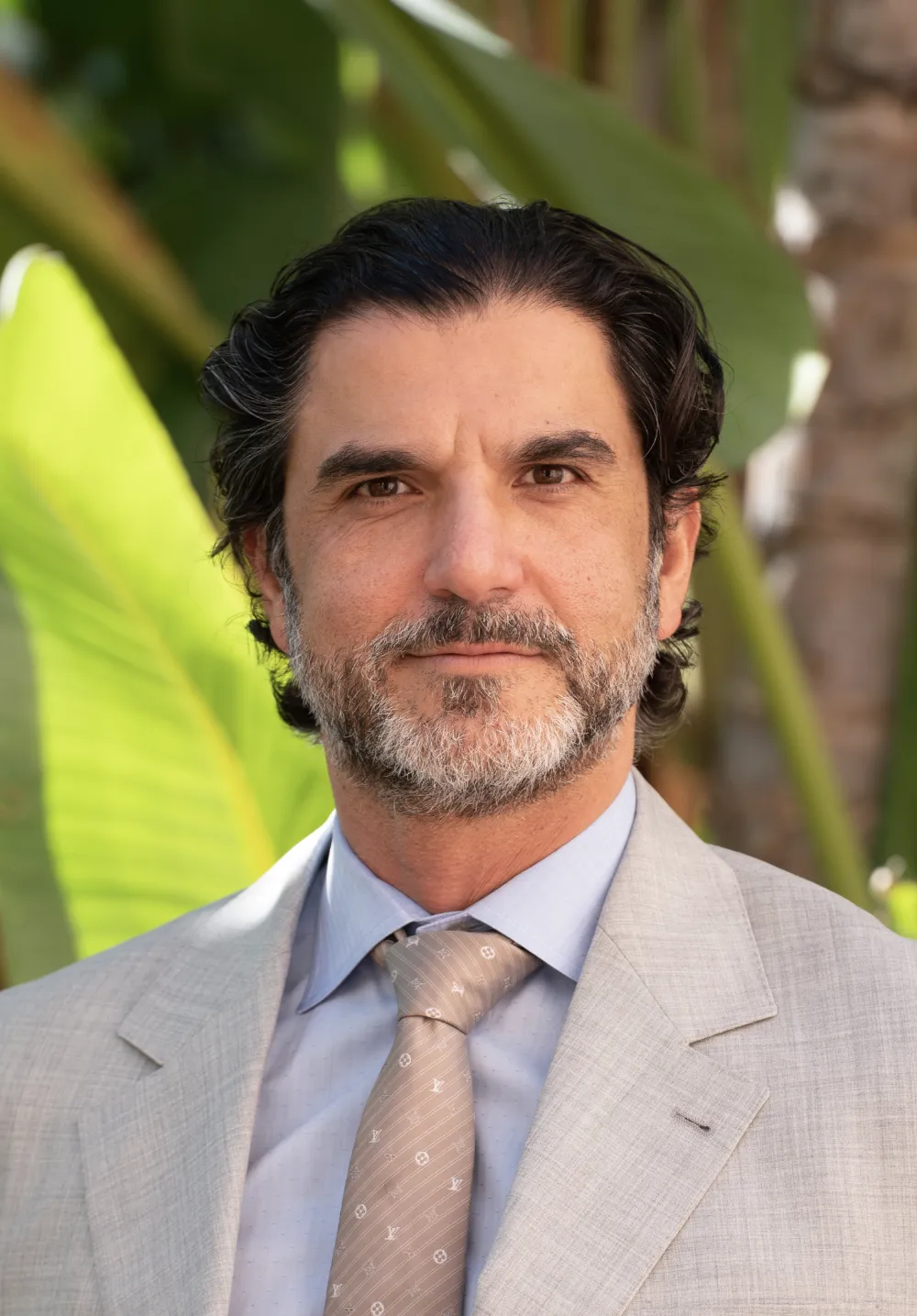
Why Choose Dr. Sayah for Male Temple Hair Restoration
- Artistic Facial Framing: Dr. Sayah’s training as an oil painter and sculptor provides unique insight into facial proportions and temple points’ role in overall aesthetics.
- Male Temple Expertise: Exclusive focus on male patients means deep understanding of masculine temple characteristics and appropriate depth, angle, and density.
- Comprehensive Planning: Evaluating complete hairline pattern considering both current restoration needs and future recession patterns.
- Natural Integration: Expertise creating seamless transitions between restored temples and frontal hairline avoiding obvious demarcation.
- Conservative Approach: Age-appropriate temple restoration avoiding overly aggressive juvenile patterns that appear unnatural.
- Advanced Training: Board-certified by the American Board of Plastic Surgery with fellowship training in advanced endoscopic techniques completed at UCLA Medical Center.
- Surgical Precision: UCLA Medical Center education emphasized meticulous technique and artistic judgment required for natural temple reconstruction.
- Holistic Assessment: Understanding that temple restoration is part of complete facial framing rather than isolated treatment area.
Meet Dr. David Sayah
Dr David Sayah is a board certified plastic surgeon in Beverly Hills known for his natural approach to aesthetic surgery. With more than 26 years of experience, he combines surgical precision with artistic insight to deliver balanced and refined results. His philosophy centers on enhancing individual beauty rather than changing it.
A graduate of the UCLA School of Medicine and a Fellow of the American College of Surgeons, Dr Sayah trained at leading medical centers including NYU and UCLA. His work in wound healing and scar formation research helps patients heal beautifully with minimal scarring. Fluent in five languages, he welcomes patients from Beverly Hills, Los Angeles, and across the world who seek exceptional, natural results.
Schedule Your Temple Hair Restoration Consultation in Beverly Hills
If temple recession is affecting your facial framing and appearance, we can help. Dr. Sayah’s unique combination of surgical precision, artistic vision, and exclusive male focus ensures you receive temple restoration creating natural, balanced facial aesthetics.
Contact Simply Males today at (310) 928-0920 to schedule your confidential consultation. We serve men throughout Los Angeles and Beverly Hills and welcome patients from around the world seeking expert temple hair restoration and temporal region reconstruction. Comprehensive assessment and personalized treatment planning included in every consultation.