Your forehead is too high. Your hairline sits too far back, making your face appear elongated or disproportionate. You have a naturally high hairline-not from balding-creating facial imbalance that bothers you. Hair transplants alone won’t adequately address the issue because you need significant hairline advancement. You want immediate, dramatic lowering rather than the gradual improvement transplants provide. Your face lacks the proportional balance you desire because of excessive forehead height.
Dr. David N. Sayah is a board-certified plastic surgeon with fellowship training in advanced endoscopic techniques and over 15 years of experience specializing exclusively in procedures for men. His unique background as an accomplished oil painter and sculptor provides exceptional insight into facial proportions, golden ratio principles, and the aesthetic balance that defines attractive male faces. His UCLA Medical Center surgical training emphasized precision in complex facial procedures requiring meticulous technique and understanding of scalp anatomy.
Forehead reduction surgery (also called hairline lowering or scalp advancement) surgically lowers the hairline by removing a strip of forehead skin and advancing the hair-bearing scalp forward. The procedure can lower the hairline 1.5-3 inches in a single surgery, creating immediate, dramatic improvement in facial proportions. Unlike hair transplants that take 12-18 months for full results, forehead reduction provides instant correction-though the two procedures can be combined for optimal outcomes.
Great Experience! I’m glad I went to Dr. Sayah because he specializes in male plastic surgery. His staff was also great, when I walked into the office I felt like I was being greeted by friends. I’m very happy with my results and I would highly recommend Dr. Sayah to anyone considering plastic surgery.
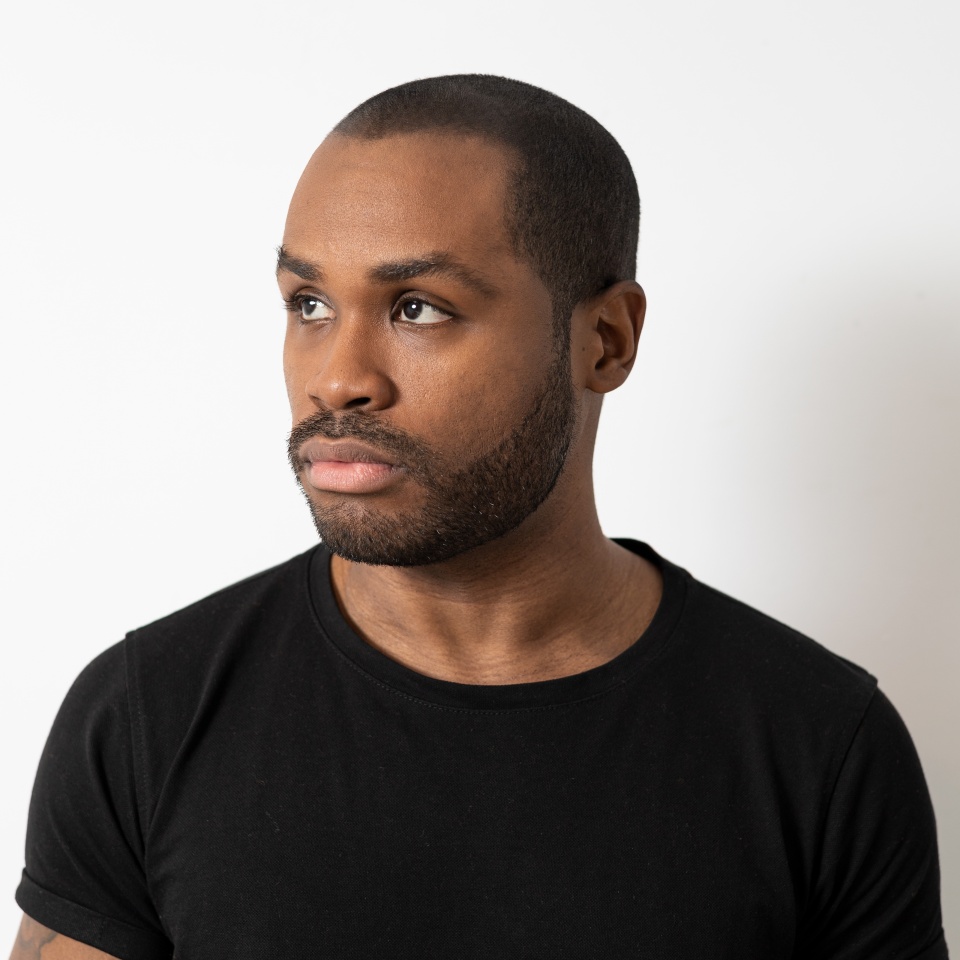
Understanding Forehead Reduction Surgery
Forehead reduction surgically advances the hairline by excising a strip of forehead skin along the hairline border and pulling the hair-bearing scalp forward to close the gap. The incision is placed precisely at the hairline creating a scar hidden within the hair transition zone. Proper technique positions the scar so it’s virtually undetectable once healed and hair grows through and around it.
The procedure works best for patients with good scalp laxity (elasticity) allowing significant forward advancement. Scalp mobility varies considerably among individuals-some patients can achieve 3+ inches of advancement while others with tight scalps may only manage 1-1.5 inches. Forehead reduction can be combined with hair transplantation placing grafts along the new hairline creating softer, more natural transition and concealing any scar visibility.
Why Men Seek Forehead Reduction in Los Angeles
Men seek hairline lowering when proportion matters:
Naturally High Hairline
You were born with high hairline creating elongated facial appearance unrelated to male pattern baldness or hair loss.
Facial Proportion Concerns
Your forehead height creates imbalanced facial proportions making your face appear too long or narrow.
Immediate Results Desired
You want instant, dramatic hairline lowering rather than waiting 12-18 months for hair transplant results to mature fully.
Significant Advancement Needed
You require 2-3 inches of lowering that would need thousands of transplant grafts costing significantly more.
Previous Brow Lift Complication
Past brow lift surgery raised your hairline excessively, creating unintended forehead height you want corrected.
Transgender Identity (FTM)
You’re FTM transgender with naturally higher female hairline pattern wanting masculine hairline position for facial alignment.
Transplant Complement
You want forehead reduction for bulk lowering combined with hair transplants for refinement creating optimal natural appearance.
Cost Efficiency
Surgical advancement costs less than equivalent hair transplant grafts needed to achieve similar lowering through transplantation alone.
“Forehead reduction requires deep understanding of both surgical technique and facial aesthetics,” explains Dr. Sayah. “The surgery itself is technically demanding-working with scalp tissue, managing tension, creating incisions that heal imperceptibly. But equally important is the artistic judgment about appropriate hairline position for each patient’s facial structure. My background as a painter and sculptor trained me to see proportions and balance-understanding where hairlines should sit relative to facial features. For men, hairline position is critical to masculine appearance. Too low appears feminine or unnatural, while appropriate lowering creates balance and proportion. My exclusive focus on male patients means I understand masculine hairline aesthetics and perform this procedure regularly enough to have refined the technique for optimal results in men.”
Forehead Reduction Surgical Technique
Creating natural hairline advancement:
Pre-Operative Planning
- Scalp Laxity Assessment: Testing scalp mobility and elasticity determining realistic advancement distance achievable without excessive tension.
- Hairline Design: Marking new hairline position based on facial proportions, golden ratio principles, and masculine hairline aesthetics.
- Advancement Calculation: Measuring exact distance of advancement ensuring appropriate lowering without overcorrection or unnatural appearance.
- Scar Camouflage Planning: Positioning incision within hairline transition zone where scar will be maximally concealed by hair growth.
Surgical Procedure
- Incision Placement: Creating irregular, non-linear incision along designed hairline preventing straight-line scar appearance and improving concealment.
- Forehead Skin Excision: Removing calculated strip of forehead skin between existing hairline and planned new position.
- Scalp Advancement: Undermining hair-bearing scalp allowing forward mobilization and advancement to new hairline position.
- Tension Management: Using deep sutures securing scalp to underlying structures minimizing tension on skin closure preventing widened scarring.
- Layered Closure: Meticulous multi-layer closure using fine sutures creating finest possible scar line at hairline.
Combination Approaches
- Simultaneous Hair Transplant: Placing grafts along new hairline softening transition, creating irregular border, and camouflaging any scar visibility.
- Staged Procedures: Some patients undergo forehead reduction initially, then hair transplant refinement months later once healing completes.
- Browplasty Integration: Occasionally combining with brow lift techniques when both forehead lowering and brow repositioning needed simultaneously.

The Benefits of Forehead Reduction
Hairline lowering provides unique advantages:
Immediate Dramatic Results
See complete hairline lowering immediately after surgery rather than waiting 12-18 months for transplant maturation.
Significant Advancement Possible
Achieve 1.5-3 inches of lowering in single procedure-far more than hair transplants can accomplish cost-effectively.
Improved Facial Proportions
Create balanced facial aesthetics reducing elongated appearance from excessive forehead height.
Cost-Effective Solution
Less expensive than equivalent number of hair transplant grafts needed to achieve similar dramatic lowering.
Natural Hairline Density
Advance existing dense hair-bearing scalp rather than relying on transplanted grafts to create density.
Permanent Correction
One-time surgical solution providing lasting improvement without ongoing treatments or maintenance procedures.
Recovery After Forehead Reduction
Surgical recovery timeline:
- First 24-48 Hours: Significant swelling across forehead and potentially around eyes. Mild to moderate discomfort managed with pain medication. Head elevated sleeping position minimizes swelling.
- Days 3-7: Swelling peaks around day 2-3 then gradually improves. Sutures typically removed around day 5-7. Most men feel comfortable returning to desk work by end of first week.
- Weeks 2-4: Most visible swelling resolved. Scar begins healing and maturing. Can resume light exercise avoiding activities raising blood pressure excessively.
- Months 2-3: Scar continues fading and becoming less visible. Sensation returns to scalp (temporary numbness common initially). Resume all normal activities including strenuous exercise.
- Months 6-12: Scar maturation continues with progressive fading. Hair grows through and around scar camouflaging it naturally. Final results apparent with scar virtually undetectable.
- Long-Term: Hairline position remains permanently lowered. Scar continues improving over 12-18 months becoming increasingly imperceptible as hair conceals it.
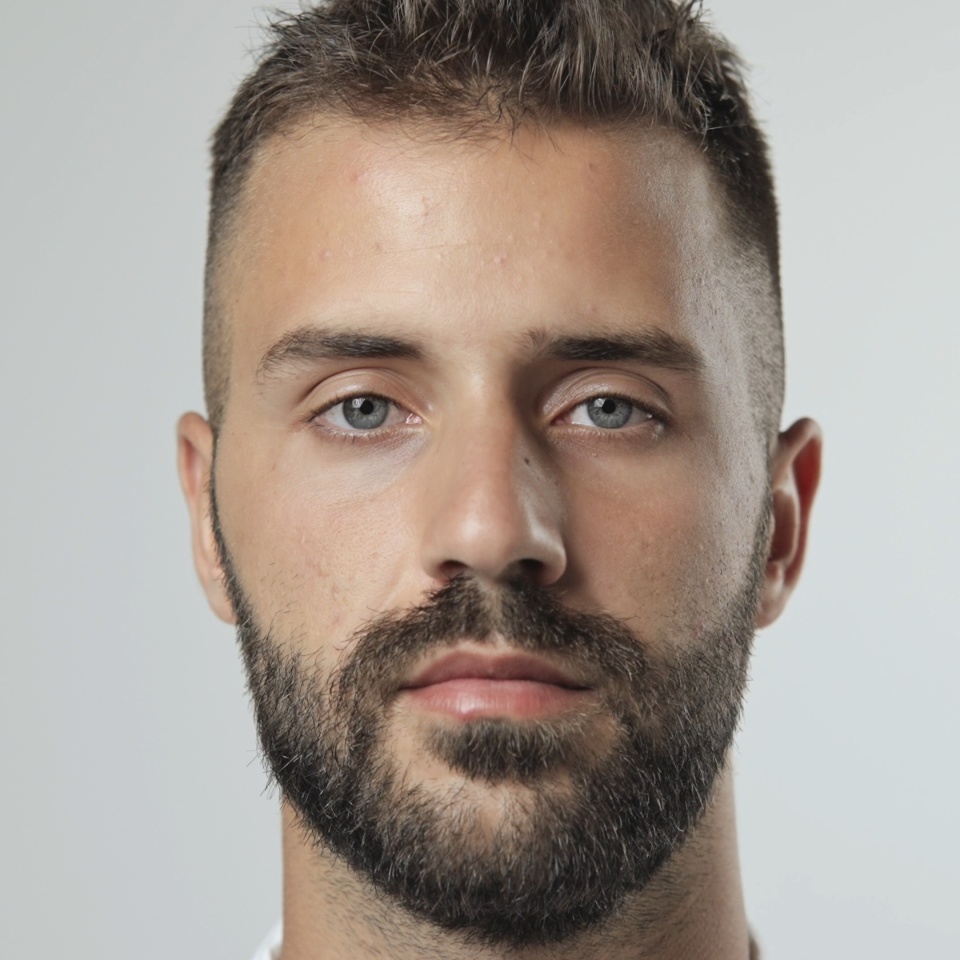

Combining Forehead Reduction With Hair Transplant
Optimal results through integrated approach:
- Forehead reduction provides bulk lowering (1.5-3 inches) instantly
- Hair transplants refine new hairline creating softer, more natural transition
- Grafts placed along scar line help camouflage any visible scarring
- Combination achieves greater total advancement than either procedure alone
- Can be performed simultaneously or staged months apart depending on preference
- Integrated approach addresses both proportion and natural appearance optimally
Dr. Sayah evaluates whether combination approach or single procedure best achieves your goals during consultation.
Candidacy and Realistic Expectations
Understanding suitability for surgery:
- Good Candidates: Men with naturally high hairlines, good scalp laxity, realistic expectations, and desire for significant immediate lowering.
- Poor Candidates: Active hair loss (unstable hairline position), very tight scalps limiting advancement, unrealistic expectations about scarring invisibility.
- Advancement Limits: Most patients achieve 1.5-2.5 inches lowering; occasionally 3 inches possible with excellent laxity but excessive advancement risks complications.
- Scar Acceptance: While scars heal extremely well when positioned properly, understanding that some degree of scar line will exist even if well-concealed.
- Hairline Design: Accepting surgeon’s judgment about appropriate hairline position based on facial proportions rather than demanding unnaturally low placement.
- Recovery Commitment: Willingness to follow post-operative restrictions allowing proper healing without complications from excessive activity.
Frequently Asked Questions About Forehead Reduction
-
When performed expertly with proper incision placement and meticulous closure technique, forehead reduction scars heal extremely well and become very difficult to detect. The incision is positioned within the hairline transition zone where irregular borders, hair growth through the scar line, and natural concealment from overlying hair make it nearly imperceptible. Initially, the scar appears as a fine pink line that gradually fades to white over 12-18 months. Hair transplant grafts placed along the scar further camouflage it. Most patients can wear their hair in any style including pulled back without the scar being noticeable. However, it’s important to understand that a scar will exist–it just heals to be very well-concealed rather than completely invisible.
-
The amount of lowering achievable depends primarily on your scalp laxity (elasticity). Most patients can achieve 1.5-2.5 inches of hairline advancement in a single procedure. Patients with excellent scalp mobility occasionally achieve up to 3 inches. Very tight scalps may only allow 1-1.5 inches without excessive tension risking complications. During consultation, Dr. Sayah physically tests your scalp laxity and provides accurate estimates for your specific anatomy. Attempting to advance beyond what your scalp elasticity safely allows risks poor scarring, hair loss along incision, or other complications–so realistic expectations based on individual anatomy are essential.
-
Forehead reduction is generally not recommended for men with active male pattern baldness because continued hair loss after surgery can expose the scar line as the hairline recedes further. The procedure works best for men with stable hairlines who have naturally high foreheads unrelated to balding. If you have early hair loss, starting finasteride to stabilize it before surgery may make you a candidate. Alternatively, some men proceed with forehead reduction understanding they may need hair transplants in the future to maintain coverage if recession continues. Dr. Sayah provides honest assessment during consultation about whether your hair loss pattern makes forehead reduction advisable or whether hair transplantation alone is more appropriate.
-
Each approach has advantages–the best choice depends on your specific situation. Forehead reduction provides immediate dramatic lowering (1.5-3 inches) in single procedure, costs less than equivalent transplant grafts, and advances dense existing hair. However, it creates a scar (though well-concealed) and has more significant recovery. Hair transplantation avoids scarring, works for men with active hair loss, and creates very natural-looking results but takes 12-18 months for full maturation and is limited to about 1 inch of effective lowering. Many men achieve optimal results combining both–forehead reduction for bulk lowering plus hair transplants for refinement and natural appearance.
-
Most men return to desk work within 7-10 days after forehead reduction. Swelling is most pronounced during the first week but improves significantly by day 5-7 when sutures are removed. If your work involves public-facing responsibilities, you may prefer waiting until the second week when visible swelling has largely resolved. Jobs requiring heavy physical labor or strenuous activity should wait 3-4 weeks until incision has healed sufficiently to handle increased blood pressure from exertion. Overall, recovery is manageable with most men finding the week off work adequate for returning comfortably.
-
Technically, forehead reduction can be revised by performing additional advancement if more lowering is desired–however, this is limited by remaining scalp laxity and previous scarring. Revision is more complex than initial surgery. If the hairline was lowered too much (rare), raising it back requires hair transplants to fill the area between the scar and desired higher position. The best approach is thorough planning and conservative initial surgery achieving appropriate rather than excessive lowering. Dr. Sayah uses computer imaging during consultation showing expected results and ensuring alignment between your expectations and planned outcome before surgery.
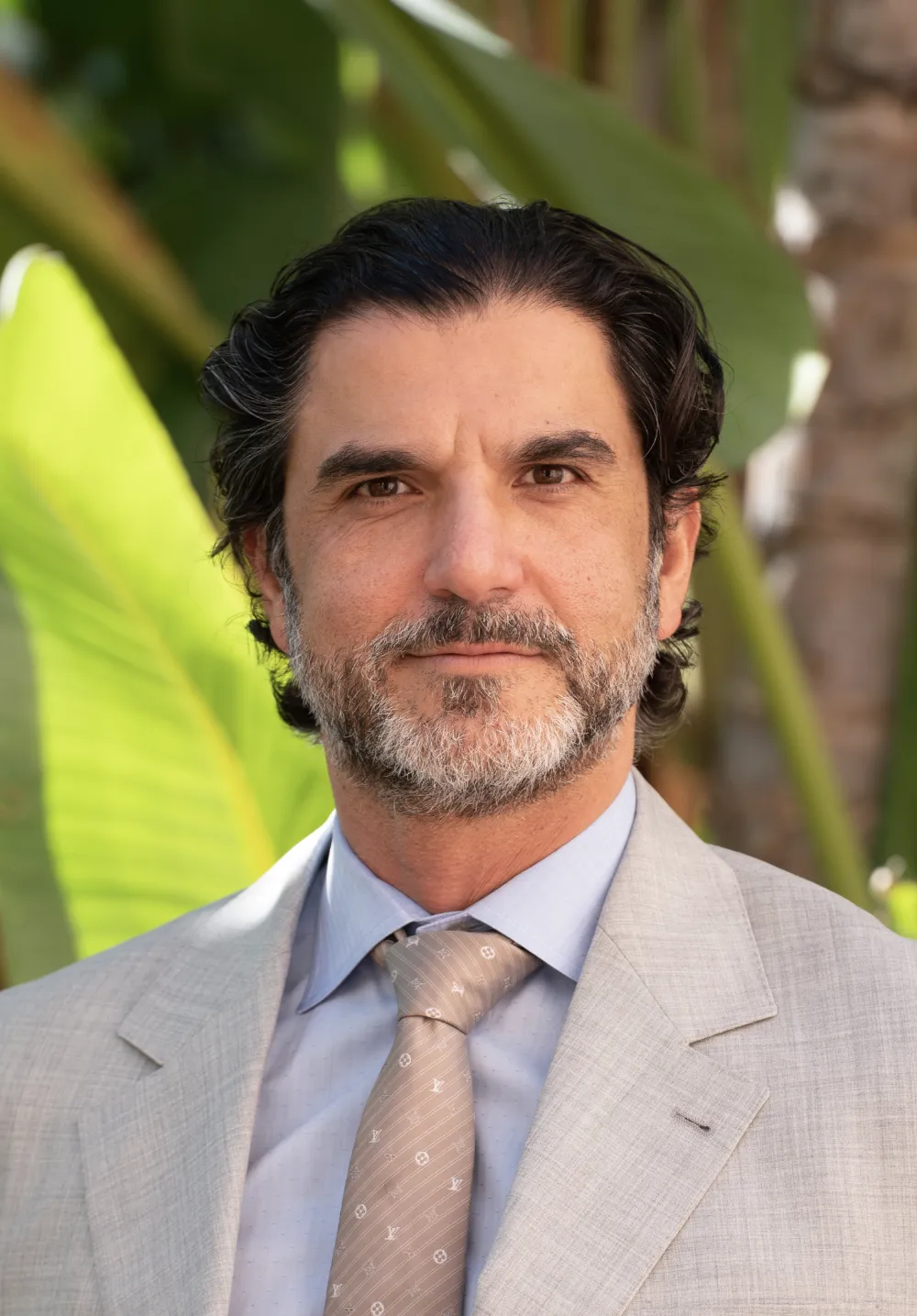
Why Choose Dr. Sayah for Hairline Lowering Surgery
- Artistic Facial Proportions: Dr. Sayah’s training as an oil painter and sculptor provides unique insight into facial balance, golden ratio principles, and appropriate hairline positioning.
- Male Hairline Expertise: Exclusive focus on male patients means deep understanding of masculine hairline patterns and appropriate positioning avoiding feminized appearance.
- Advanced Surgical Training: UCLA Medical Center education emphasized complex facial surgery requiring meticulous technique and understanding of scalp anatomy.
- Natural Scar Camouflage: Expertise in incision placement and closure techniques creating scars that heal imperceptibly within hairline transition zones.
- Combination Approach: Ability to integrate forehead reduction with hair transplants for optimal results when combination procedures best serve patient goals.
- Realistic Planning: Conservative approach achieving appropriate proportional improvement rather than excessive lowering creating unnatural appearance.
- Board Certification: Board-certified by the American Board of Plastic Surgery with fellowship training in advanced endoscopic techniques completed at UCLA Medical Center.
- Computer Imaging: Using imaging technology during consultation showing expected results ensuring alignment between expectations and planned outcomes.
Meet Dr. David Sayah
Dr David Sayah is a board certified plastic surgeon in Beverly Hills known for his natural approach to aesthetic surgery. With more than 26 years of experience, he combines surgical precision with artistic insight to deliver balanced and refined results. His philosophy centers on enhancing individual beauty rather than changing it.
A graduate of the UCLA School of Medicine and a Fellow of the American College of Surgeons, Dr Sayah trained at leading medical centers including NYU and UCLA. His work in wound healing and scar formation research helps patients heal beautifully with minimal scarring. Fluent in five languages, he welcomes patients from Beverly Hills, Los Angeles, and across the world who seek exceptional, natural results.
Schedule Your Forehead Reduction Consultation in Beverly Hills
If a high forehead is affecting your facial proportions and confidence, we can help. Dr. Sayah’s unique combination of surgical expertise and artistic understanding ensures you receive forehead reduction creating natural, balanced facial aesthetics.
Contact Simply Males today at (310) 928-0920 to schedule your confidential consultation. We serve men throughout Los Angeles and Beverly Hills and welcome patients from around the world seeking expert forehead reduction and hairline lowering surgery. Comprehensive assessment, computer imaging, and personalized treatment planning included in every consultation.