Your eyebrows are thin or sparse. Years of over-plucking during younger years left permanent damage. Scarring from accidents, burns, or surgery created gaps where brow hair no longer grows. You have naturally thin eyebrows that lack definition. Medical conditions like alopecia areata caused patchy eyebrow loss. You’ve tried eyebrow pencils, microblading, and other temporary solutions-but you want real, permanent hair. Well-defined eyebrows frame your face naturally and are essential to masculine facial aesthetics.
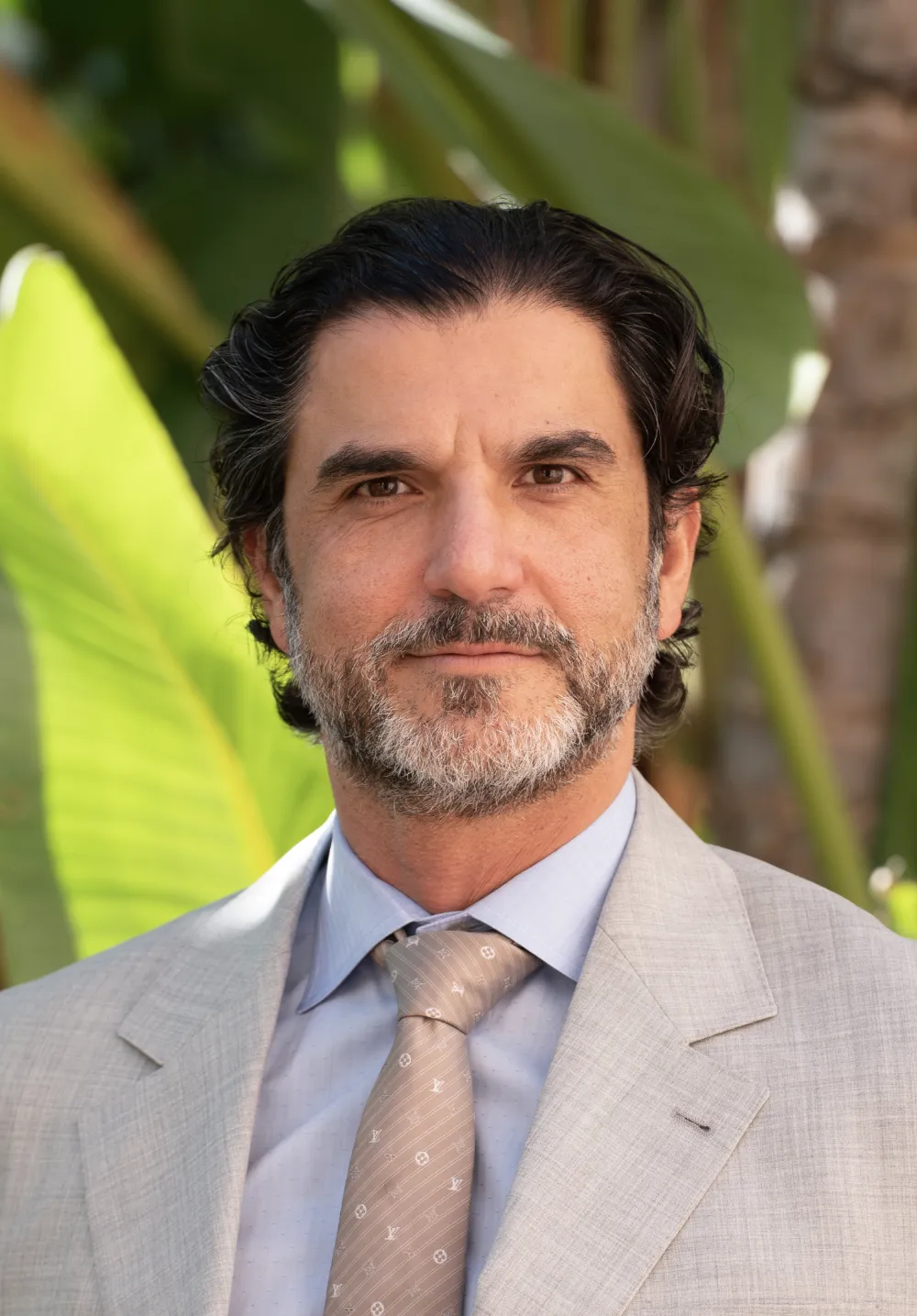
Dr. David N. Sayah is a board-certified plastic surgeon with fellowship training in advanced endoscopic techniques and over 15 years of experience specializing exclusively in procedures for men. His unique background as an accomplished oil painter and sculptor provides exceptional insight into facial aesthetics, proper eyebrow shape and positioning, and the subtle differences between masculine and feminine brow characteristics. His UCLA Medical Center surgical training emphasized precision in delicate facial procedures-critical for eyebrow transplantation where every hair’s placement affects the final appearance.
Eyebrow transplantation uses advanced FUE (Follicular Unit Extraction) technology to harvest individual hair follicles from your scalp and transplant them to eyebrow areas where you want fuller, more defined brows. The procedure creates permanent, natural-looking eyebrow hair that grows and requires regular trimming. Whether filling gaps, creating fuller brows, or restoring hair lost to scarring, eyebrow transplantation offers permanent solutions that enhance your facial appearance.
Great Experience! I’m glad I went to Dr. Sayah because he specializes in male plastic surgery. His staff was also great, when I walked into the office I felt like I was being greeted by friends. I’m very happy with my results and I would highly recommend Dr. Sayah to anyone considering plastic surgery.
Understanding Eyebrow Transplant Technology
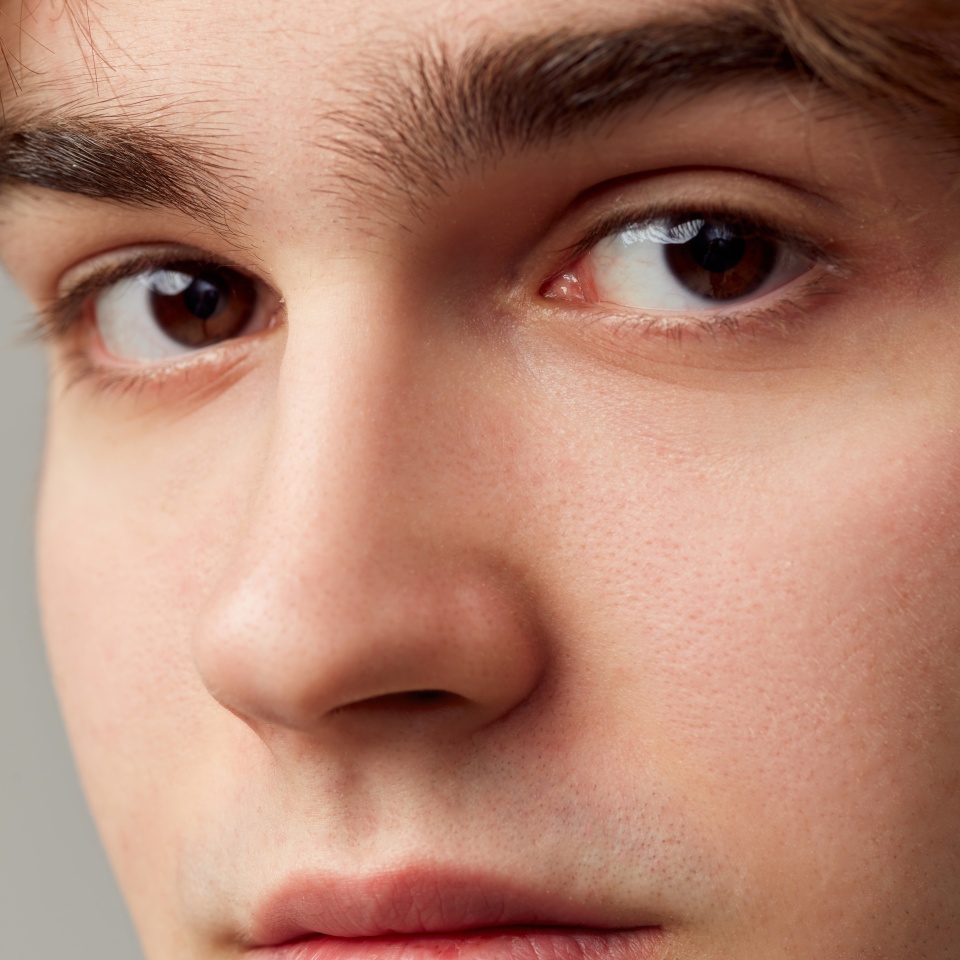
Eyebrow transplantation follows FUE principles but requires even more specialized expertise than scalp hair transplants. Eyebrow hair has unique characteristics-it grows at very flat angles (nearly parallel to skin), follows specific directional patterns, and requires precise density to appear natural. Individual follicular units (primarily single-hair grafts) are harvested from scalp donor areas and meticulously transplanted following natural eyebrow growth patterns.
The challenge is that transplanted scalp hair retains its growth characteristics-meaning it grows continuously like scalp hair rather than reaching a set length and stopping like natural eyebrow hair. This requires regular trimming to maintain appropriate length. However, the permanent restoration and natural appearance achieved far outweighs this minor maintenance requirement for most patients.
Why Men in Los Angeles Choose Eyebrow Transplant Surgery
Men seek eyebrow restoration when brow definition matters:
Thin or Sparse Brows
You have naturally thin eyebrows lacking definition, creating weak facial framing that undermines your masculine appearance.
Over-Plucking Damage
Years of over-grooming or shaping during younger years permanently damaged follicles preventing natural regrowth.
Scar Coverage
Accidents, burns, surgeries, or trauma left scars through eyebrows where hair no longer grows creating obvious gaps.
Medical Hair Loss
Conditions like alopecia areata, thyroid disorders, or autoimmune conditions caused patchy eyebrow loss you want restored.
Aging-Related Thinning
Natural aging process reduced eyebrow density creating aged appearance affecting overall facial aesthetics.
Uneven or Asymmetric Brows
One eyebrow is significantly thinner than the other creating facial asymmetry you want corrected.
Masculine Definition Desired
You want stronger, fuller brows enhancing masculine facial features rather than thin or feminized appearance.
Permanent Solution
You’re tired of temporary fixes like eyebrow pencils, powders, or microblading wanting real permanent hair restoration.
“Eyebrow transplantation is one of the most technically demanding procedures in hair restoration,” explains Dr. Sayah. “Each hair must be placed at extremely flat angles-nearly parallel to the skin surface-following precise directional patterns that change across different eyebrow zones. The head of the brow grows differently than the arch, which grows differently than the tail. Getting these angles and directions wrong creates obviously transplanted appearance rather than natural brows. My background as a sculptor helps me understand three-dimensional hair growth patterns and the subtle asymmetries that characterize natural eyebrows. My exclusive focus on male patients means I understand masculine brow characteristics-appropriate thickness, angle, and shape that enhance rather than feminize male faces. The difference between excellent and mediocre eyebrow transplants often comes down to millimeters in positioning and a few degrees in angle.”
Eyebrow Transplant Technique for Men
Creating natural brow restoration:
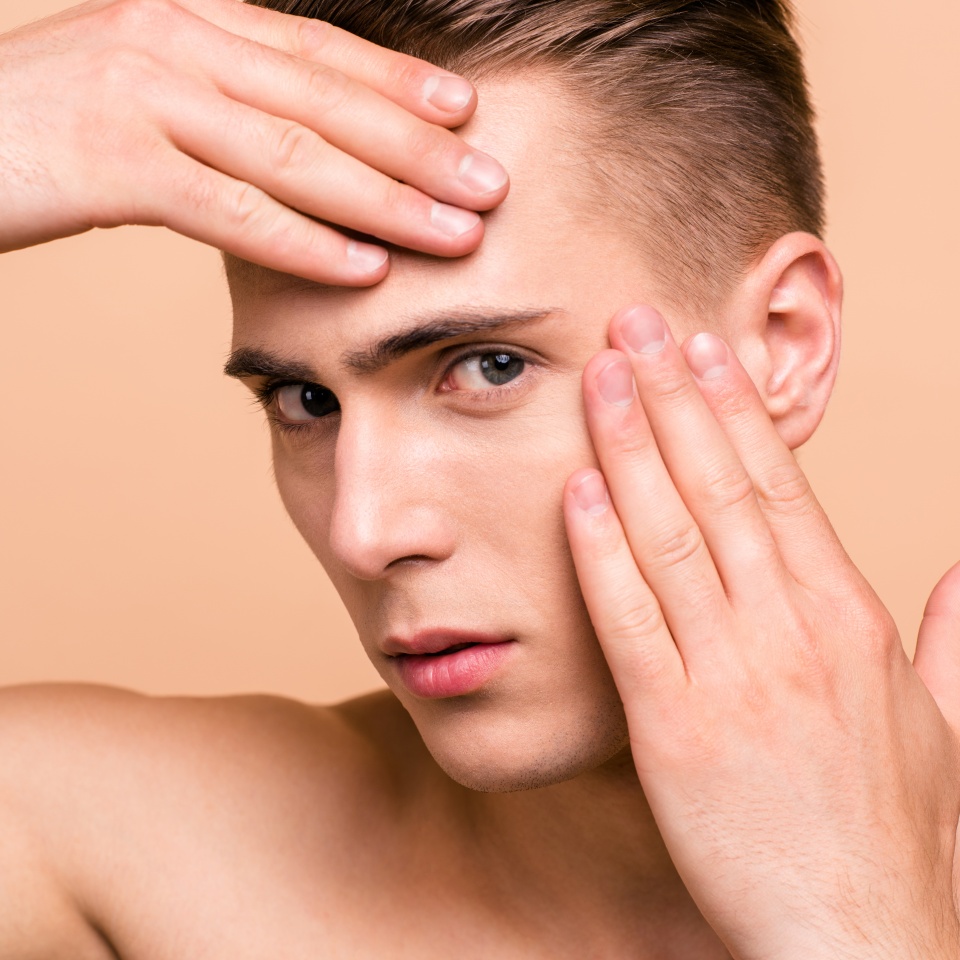
Pre-Operative Planning and Design
- Natural Brow Analysis: Studying your existing brow shape, growth patterns, and facial proportions determining optimal restoration design.
- Masculine Aesthetics: Creating brow shape and density appropriate for male faces-stronger, straighter brows rather than highly arched feminine patterns.
- Symmetry Assessment: Addressing asymmetries between brows while respecting natural facial asymmetry that makes faces appear authentic.
- Graft Requirements: Calculating number of grafts needed based on area requiring coverage and desired density-typically 50-300 grafts per brow.
Donor Hair Selection and Harvesting
- Scalp Harvest: Extracting individual follicles from scalp using FUE technique-typically from areas with finer hair texture when possible.
- Single Hair Selection: Primarily using single-hair follicular units rather than multi-hair grafts creating most natural eyebrow appearance.
- Texture Matching: Selecting donor hairs with appropriate diameter and characteristics best matching natural eyebrow hair when available.
Precise Angle and Direction Placement
- Flat Angle Implantation: Placing grafts at 10-30 degree angles nearly parallel to skin surface matching natural eyebrow growth characteristics.
- Directional Precision: Following natural directional flow-medial brow hairs grow medially, central arch grows upward and outward, lateral tail grows laterally.
- Density Gradation: Creating natural density variation across brow-avoiding uniform density that appears artificial or “painted on.”
- Irregular Borders: Establishing soft, irregular brow borders rather than hard lines characteristic of poor eyebrow work.
The Benefits of Eyebrow Transplant
Brow restoration provides lasting advantages:
Permanent Natural Hair
Real hair that grows, lasts lifetime, and can be groomed normally unlike temporary cosmetic solutions.
Enhanced Facial Framing
Well-defined eyebrows frame face naturally improving overall facial aesthetics and masculine appearance.
Scar Concealment
Cover visible scars from accidents or surgery by transplanting hair directly into scarred tissue.
Improved Symmetry
Correct uneven or asymmetric brows creating better facial balance and proportion.
No Daily Makeup
Eliminate need for eyebrow pencils, powders, or other temporary cosmetic products requiring daily application.
Confidence Restoration
Natural, fuller eyebrows restore confidence in appearance particularly for men with significant brow loss.
Recovery After Eyebrow Transplant
Post-procedure healing timeline:
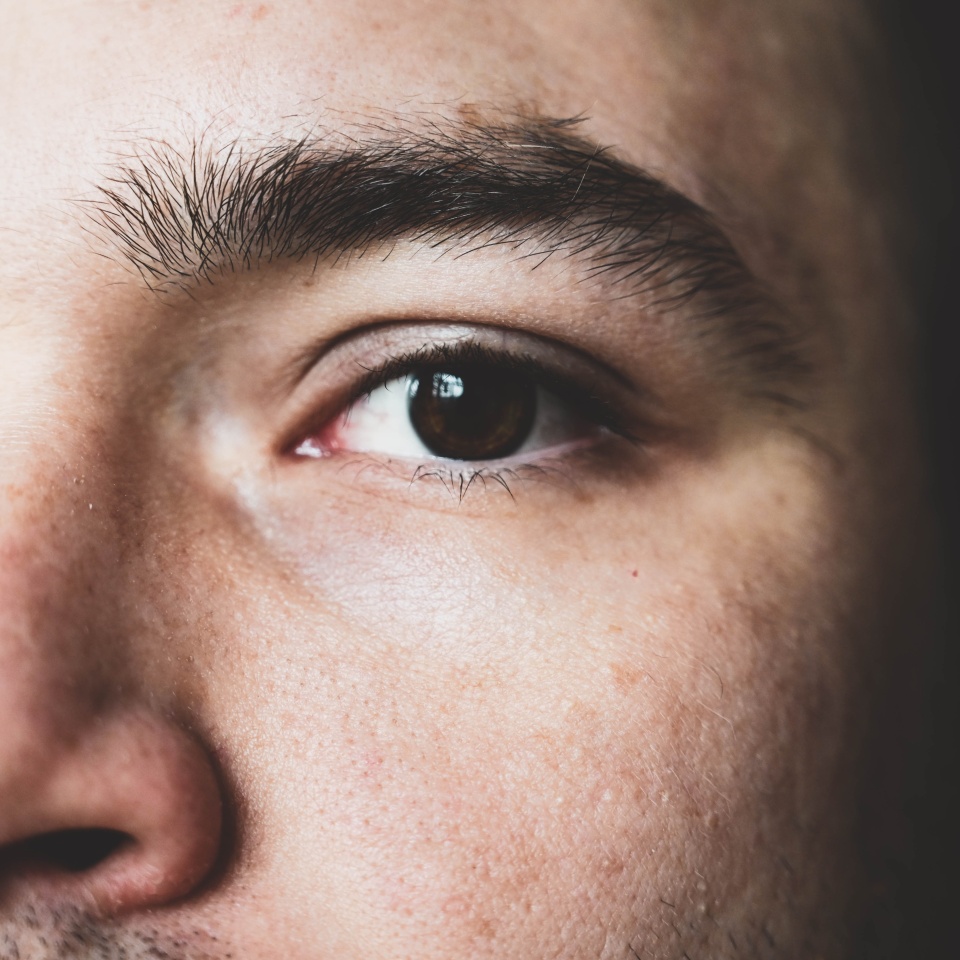
- First 24-48 Hours: Mild swelling around brows and potentially upper eyelids (similar to mild black eye). Tiny scabs form at transplant sites. Cold compresses minimize swelling.
- Days 3-7: Swelling improving significantly. Scabs begin softening and falling off naturally. Most men return to work comfortably during this period.
- Days 7-14: Scabs completely gone revealing transplanted follicles underneath. Can resume all normal activities including exercise.
- Weeks 2-4: Transplanted brow hairs shed (completely normal-temporary shedding, not permanent loss). Brows appear similar to pre-procedure.
- Months 3-4: New brow hair growth begins emerging from transplanted follicles. Initial growth appears fine, gradually thickening.
- Months 6-8: Substantial improvement visible with approximately 60-70% of final result apparent. Brows continuing to fill.
- Months 12-18: Final results fully apparent. All transplanted follicles have grown. Brows achieve terminal thickness requiring regular trimming to maintain appropriate length.
Eyebrow Hair Maintenance
Managing transplanted brows:
- Regular Trimming Required: Transplanted scalp hair grows continuously requiring trimming every 2-3 weeks maintaining appropriate eyebrow length.
- Normal Grooming: Once fully grown, transplanted brows can be brushed, shaped, and groomed exactly like natural eyebrow hair.
- Texture Adaptation: Scalp hair may initially appear slightly different texture but typically adapts over time toward eyebrow characteristics.
- Styling Products: Can use eyebrow gels, waxes, or other styling products maintaining desired shape throughout day.
- Long-Term Permanence: Transplanted follicles remain permanent throughout life continuing to produce hair indefinitely.
Graft Numbers and Coverage Planning
Understanding realistic requirements:
- Minor Fill-In: 30-75 grafts per brow address small gaps or add modest density to thin areas.
- Moderate Restoration: 75-150 grafts per brow create fuller, more defined brows from moderately thin starting point.
- Significant Reconstruction: 150-250 grafts per brow build substantial eyebrows from very minimal natural growth.
- Complete Creation: 200-300+ grafts per brow construct entire eyebrows where virtually none exist naturally.
- Realistic Expectations: Eyebrow transplants typically require far fewer grafts than scalp procedures but precise placement is more critical for natural appearance.
Frequently Asked Questions About Eyebrow Transplant
-
When performed by experienced surgeons using proper technique, eyebrow transplants appear completely natural and indistinguishable from natural brow growth. Critical factors creating natural appearance include extremely flat angle placement (10-30 degrees matching natural brow hair), correct directional variation across different brow zones, appropriate density avoiding artificial fullness, single-hair graft selection rather than multi-hair follicles, and irregular border creation. Dr. Sayah’s artistic background as a sculptor provides unique insight into natural eyebrow patterns and the subtle asymmetries that characterize authentic brows. People notice you have great eyebrows, not that you had a transplant.
-
Yes–transplanted scalp hair retains its growth characteristics meaning it grows continuously rather than reaching a set length like natural eyebrow hair. This requires trimming every 2-3 weeks to maintain appropriate eyebrow length. Some men find this minor maintenance inconvenient initially but quickly adapt to routine grooming. The permanent restoration and natural appearance achieved far outweigh this small maintenance requirement. Over time, many patients report that transplanted hairs somewhat adapt to eyebrow characteristics and may grow slightly slower than when first transplanted, though regular trimming remains necessary.
-
Graft requirements vary significantly based on existing brow density and desired fullness. Minor fill-in work requires 30-75 grafts per brow. Moderate restoration typically needs 75-150 grafts per brow. Significant reconstruction building substantial brows from minimal growth can require 150-250 grafts per brow. Complete eyebrow creation where virtually none exist naturally may need 200-300+ grafts per brow. During consultation, Dr. Sayah examines your brows, discusses your goals, and provides accurate graft estimates for your specific situation. Eyebrow transplants require far fewer total grafts than scalp procedures but precise placement at proper angles is more technically demanding.
-
Yes–eyebrow transplantation can successfully camouflage scars from accidents, burns, surgeries, or other trauma. Hair can be transplanted directly into scarred tissue creating coverage that conceals visible damage. However, scar tissue has compromised blood supply compared to normal tissue, which affects graft survival rates. You may need higher density in scarred areas anticipating lower survival rates, or potentially requiring touch-up procedures adding additional grafts once initial transplants have healed. Dr. Sayah evaluates scar tissue quality during consultation determining realistic expectations for coverage and whether single-session or staged approach is most appropriate.
-
The procedure itself is not painful due to local anesthesia completely numbing the brow and scalp donor areas. You may feel slight pressure during extraction and implantation but no pain. After surgery, most men experience minimal discomfort–far less than scalp hair transplants due to smaller treatment area. Mild tenderness around brows for 24-48 hours is typical, easily managed with over-the-counter pain medication. Swelling around brows and potentially upper eyelids is common but temporary. By day 3-4, most men feel completely comfortable. The procedure is remarkably well-tolerated with discomfort significantly less than most people anticipate.
-
Eyebrow transplant results are permanent. The transplanted follicles are harvested from permanent zones on your scalp that are genetically programmed to grow throughout life. When moved to eyebrows, these follicles retain their permanent growth characteristics and continue producing hair indefinitely. Unlike temporary solutions like microblading (requires touch-ups every 1-2 years) or eyebrow pencils (daily application), transplanted eyebrow hair lasts your entire lifetime. The only maintenance required is regular trimming every 2-3 weeks maintaining appropriate length since transplanted scalp hair grows continuously rather than reaching set length like natural brow hair.
Why Choose Simply Males for Eyebrow Transplant in Los Angeles
- Artistic Precision: Dr. Sayah’s training as an oil painter and sculptor provides unique insight into natural eyebrow patterns, proper angles, and masculine brow characteristics.
- Male Specialization: Exclusive focus on male patients means deep understanding of masculine eyebrow aesthetics and appropriate thickness, shape, and positioning.
- Technical Expertise: Eyebrow transplantation is technically demanding requiring precise angle placement-Dr. Sayah’s UCLA Medical Center training emphasized this level of surgical precision.
- Natural Results Priority: Creating eyebrow restoration that appears completely natural-brows that look like they’ve always been there rather than obviously transplanted.
- Conservative Approach: Appropriate density and shaping avoiding over-filled or feminized appearance some surgeons create.
- Scar Coverage Experience: Expertise transplanting hair into scarred tissue from accidents or surgery achieving optimal coverage despite compromised blood supply.
- Advanced Training: Board-certified by the American Board of Plastic Surgery with fellowship training in advanced endoscopic techniques completed at UCLA Medical Center.
- Comprehensive Consultation: Detailed brow assessment, computer imaging when appropriate, and realistic graft estimates for your specific restoration needs.
Meet Dr. David Sayah
Dr David Sayah is a board certified plastic surgeon in Beverly Hills known for his natural approach to aesthetic surgery. With more than 26 years of experience, he combines surgical precision with artistic insight to deliver balanced and refined results. His philosophy centers on enhancing individual beauty rather than changing it.
A graduate of the UCLA School of Medicine and a Fellow of the American College of Surgeons, Dr Sayah trained at leading medical centers including NYU and UCLA. His work in wound healing and scar formation research helps patients heal beautifully with minimal scarring. Fluent in five languages, he welcomes patients from Beverly Hills, Los Angeles, and across the world who seek exceptional, natural results.
Schedule Your Eyebrow Transplant Consultation in Beverly Hills
If thin eyebrows, scarring, or brow hair loss is affecting your facial appearance and confidence, we can help. Dr. Sayah’s unique combination of surgical precision, artistic vision, and exclusive male focus ensures you receive eyebrow transplantation creating permanent, natural-looking results.
Contact Simply Males today at (310) 928-0920 to schedule your confidential consultation. We serve men throughout Los Angeles and Beverly Hills and welcome patients from around the world seeking expert eyebrow restoration and transplantation. Comprehensive brow assessment and personalized treatment planning included in every consultation.