Your previous rhinoplasty didn’t deliver the results you wanted-or worse, created new problems you didn’t have before. Maybe your breathing is worse than before surgery. Perhaps the aesthetic result is unnatural, over-corrected, or simply not what you were promised. You might have visible irregularities, asymmetries, or a pinched appearance. Or maybe the results were initially good but have changed over time as structures weakened or collapsed.
Dr. David N. Sayah is a board-certified plastic surgeon with fellowship training in advanced endoscopic techniques and over 15 years of experience specializing in procedures for men. His extensive training in complex revision rhinoplasty allows him to address even the most challenging secondary cases-correcting problems from procedures performed elsewhere. His exclusive focus on male patients throughout Los Angeles and Beverly Hills has made him an expert in revision rhinoplasty that restores natural appearance, improves breathing when impaired, and creates the masculine results you should have gotten the first time.
Revision rhinoplasty (also called secondary rhinoplasty) is significantly more complex than primary surgery. You’re dealing with scar tissue, compromised blood supply, depleted cartilage, distorted anatomy, and the psychological impact of previous disappointment. Not all plastic surgeons possess the specialized skills necessary for successful revision surgery-which is why choosing an experienced revision specialist is absolutely critical.
I had my rhinoplasty with Dr Sayah and could not be happier. The result is exactly what I wanted, natural and balanced. His team at Simply Males made the entire process smooth and professional. Thank you all!
Understanding Revision Rhinoplasty Complexity
Revision rhinoplasty presents unique challenges that don’t exist in primary surgery:
Technical Challenges
- Scar Tissue Formation: Previous surgery created internal scar tissue that alters normal tissue planes and surgical anatomy, making revision technically more difficult.
- Compromised Blood Supply: Prior surgery disrupted blood vessels, reducing blood flow and affecting healing capacity during revision.
- Weakened or Depleted Cartilage: The first surgeon removed or weakened your cartilage, requiring extensive grafting to rebuild structures.
- Distorted Anatomy: Normal anatomical landmarks are altered, requiring the revision surgeon to navigate unfamiliar territory.
- Thickened Skin: Previous surgical trauma often thickens nasal skin, obscuring the definition of underlying work.
Psychological Challenges
- Cautious Approach: You’re approaching revision surgery with caution and anxiety after previous disappointment.
- Trust Issues: It’s difficult to trust another surgeon after the first one failed to deliver promised results.
- Higher Expectations: You want perfection to make up for the first unsatisfactory outcome, which may not always be achievable.
- Financial Burden: Revision surgery is an additional investment on top of money already spent on unsuccessful primary surgery.
Why Men Choose Revision Rhinoplasty in Los Angeles
Men seek secondary nose surgery when previous results are unsatisfactory:
Breathing Difficulties Created or Worsened
Previous surgery created or worsened nasal obstruction through over-reduction of structural support, internal valve collapse from weakened cartilage, external valve collapse causing nostril narrowing, or inadequate septoplasty leaving persistent deviation.
Persistent Aesthetic Concerns
Original goals weren’t achieved despite surgery. Residual dorsal hump remains, inadequate tip refinement left a bulbous appearance, asymmetries or irregularities were created, or insufficient overall improvement failed to meet expectations.
Over-Correction Problems
Excessive reduction created new problems including pinched appearance from over-narrowing, scooped bridge from over-aggressive hump removal, over-rotated tip creating unnatural upturned appearance, or generally unnatural surgical look rather than refined enhancement.
Structural Complications
Surgical technique issues created visible problems like grafts or implants showing through skin, graft displacement or warping distorting contours, cartilage collapse causing deformity, or pollybeak deformity where the supratip area appears overly prominent.
Healing Complications
Unexpected outcomes from healing including significant asymmetry between sides, visible irregularities or depressions, excessive scar tissue affecting contours, or skin contracture creating tightness or distortion.
Aging or Changes Over Time
Natural processes affected previous results including tip drooping as cartilage weakened over years, gradual contour changes as support structures weakened, or progressive asymmetry developing long after initial surgery.
Obvious Surgical Appearance
Your nose looks clearly “done” or operated rather than naturally refined. The goal was enhancement, not an obvious surgical look.
Failed Expectations
The surgeon promised results they couldn’t deliver. You were shown computer imaging that doesn’t match your actual outcome. The result doesn’t match what you discussed or agreed to.
“Revision rhinoplasty represents some of the most technically demanding surgery in facial plastic surgery,” explains Dr. Sayah. “Success requires not just correcting what went wrong previously, but doing so while working with tissues already altered by surgery, often with limited remaining cartilage and compromised blood supply. My extensive training and experience with complex cases allows me to achieve meaningful improvement even in challenging revision situations that other surgeons might consider too difficult.”
Male-Specific Revision Rhinoplasty Techniques
Correcting previous rhinoplasty problems requires sophisticated reconstruction:
Structural Reconstruction With Cartilage Grafting
Most revision cases require extensive cartilage grafting:
- Spreader Grafts: Widen collapsed middle vault and restore breathing. Essential for pinched noses or breathing difficulties from over-narrowing.
- Tip Grafts: Rebuild over-resected or weakened tip structures, restoring appropriate size and projection.
- Dorsal Grafts: Augment over-reduced bridge height, eliminating scooped or over-reduced appearance.
- Batten Grafts: Support collapsed sidewalls, preventing further collapse and improving breathing.
- Columellar Struts: Strengthen weakened tip support, preventing drooping and maintaining projection.
Cartilage Sources for Revision Surgery
Revision cases often require substantial cartilage:
- Septal Cartilage: Used first when adequate tissue remains from previous surgery. Often depleted in revision cases.
- Ear Cartilage: Provides moderate volume for less extensive reconstruction needs. Good for tip work requiring curved contours.
- Rib Cartilage: Supplies abundant material for comprehensive reconstruction in severely compromised cases. Most complex revisions require rib cartilage due to depleted septal cartilage and extensive grafting needs.
Addressing Over-Reduction Problems
When the previous surgeon removed too much tissue:
- Dorsal Augmentation: Restore appropriate bridge height using cartilage or fascia grafts, eliminating the scooped or over-reduced appearance.
- Lateral Wall Reconstruction: Widen pinched middle vault using spreader grafts, restoring proper width and breathing.
- Tip Augmentation: Rebuild over-refined tip, restoring appropriate size for masculine aesthetics.
- Structural Support: Prevent further collapse while improving appearance simultaneously.
Correcting Asymmetries and Irregularities
Uneven results from previous surgery require meticulous correction:
- Precise Graft Placement: Fill depressions and equalize contours, creating symmetry.
- Cartilage Reshaping: Address irregularities, bumps, and visible edges.
- Osteotomies: Reposition asymmetric bones when deviation exists.
- Camouflage Grafting: Smooth visible step-offs and irregularities, creating even appearance.
Breathing Restoration
Functional problems from previous surgery receive priority:
- Septoplasty: Straighten deviated septum, opening central airway.
- Valve Reconstruction: Use spreader or batten grafts to reconstruct collapsed internal or external valves.
- Turbinate Reduction: When enlarged turbinates contribute to obstruction.
- Comprehensive Approach: Address all sources of impaired breathing simultaneously.
What a Revisional Nose Job Addresses
Secondary nose surgery creates comprehensive correction:
Breathing Restoration
Correct the functional problems created or worsened by previous surgery, restoring proper nasal airflow.
Natural Appearance
Eliminate the over-corrected, pinched, or obviously surgical appearance, creating natural-looking results.
Structural Stability
Rebuild weakened structures using cartilage grafts, preventing future collapse or changes.
Asymmetry Correction
Address irregularities, asymmetries, and visible deformities from previous surgery.
Aesthetic Goals Achievement
Finally achieve the results you originally sought but didn’t receive from your first surgery.
Confidence Restoration
Eliminate the disappointment and regret from unsatisfactory previous surgery.
The Revision Rhinoplasty Procedure
Dr. Sayah performs all revision rhinoplasty procedures at his fully accredited surgery center in Beverly Hills. This is complex reconstructive surgery:
- Approach: Open rhinoplasty approach almost always used for revision cases, providing the visualization necessary for complex reconstruction.
- Duration: Typically 3-5 hours depending on complexity and extent of reconstruction needed. Rib cartilage harvest adds approximately 45 minutes.
- Anesthesia: General anesthesia ensures your comfort throughout this extensive procedure.
- Technique: Dr. Sayah carefully dissects through scar tissue to access underlying structures, harvests cartilage (septal, ear, or rib as needed), performs structural reconstruction using grafts, corrects asymmetries and irregularities, addresses breathing problems, and creates natural masculine contours.
You’ll rest in the recovery suite for several hours before being discharged home with comprehensive post-operative instructions.
Recovery After Male Revision Rhinoplasty
Recovery from revision surgery often involves extended healing:
- First Week: You’ll wear a nasal splint protecting your reconstructed structures. Expect significant swelling due to extensive reconstruction. Bruising around your eyes is normal. If rib cartilage was used, chest tenderness is well-controlled with medication. Splint removal around day 7 reveals improved appearance, though swelling remains.
- Weeks 2-4: Progressive swelling and bruising resolution allows increasingly apparent improvement. Many men notice breathing improvement immediately despite swelling. Most men return to work and social activities within 2-3 weeks. Avoid any activities risking nasal trauma.
- Months 2-6: Continued gradual improvement as swelling slowly resolves. Your corrections become clearly apparent with improved symmetry and natural appearance. Breathing reaches maximum improvement as structures fully heal.
- Months 6-12: Final refinement occurs as the last traces of swelling disappear. Cartilage grafts fully integrate with surrounding tissues, becoming permanent parts of your nasal structure. Your nose assumes its permanent corrected contour with natural appearance.
- Long-Term Results: Properly performed revision rhinoplasty with adequate structural grafting provides permanent improvement. Your corrections remain stable indefinitely when done correctly.
Managing Expectations in Revision Surgery
Realistic expectations are critical for revision rhinoplasty:
Achievable Goals
- Meaningful Improvement: The primary goal is significant improvement rather than perfection. Most men achieve substantial correction of obvious deformities and problems.
- More Natural Appearance: Eliminate the surgical look, creating refined but natural-appearing results.
- Improved Symmetry: Address major asymmetries, though perfect bilateral symmetry may not be achievable.
- Breathing Restoration: Correct functional problems, dramatically improving nasal airflow.
- Satisfaction: Create results you’re happy with, even if they don’t represent the ideal outcome from well-performed primary surgery.
Understanding Limitations
- Scar Tissue Effects: Affects how tissues behave and heal, limiting what’s achievable.
- Compromised Blood Supply: Increases complication risk and affects healing.
- Limited Remaining Cartilage: Restricts reconstruction options, often necessitating rib cartilage harvest.
- Skin Quality Issues: Previous trauma or surgery may have permanently affected skin quality.
- Multiple Previous Surgeries: Each revision becomes progressively more difficult with diminishing returns.
Dr. Sayah provides honest assessment during consultation about what revision can realistically accomplish for your specific situation.
Timing Considerations for Revision Rhinoplasty
Proper timing maximizes success potential:
Minimum Waiting Period
Most surgeons recommend waiting at least 12 months after primary rhinoplasty:
- Complete Healing: Allows full resolution of all swelling revealing true final result.
- Scar Maturation: Stabilizes tissue characteristics for accurate assessment.
- Accurate Evaluation: Determines what actually needs correction versus what might still improve.
Exceptions to Waiting Period
Earlier intervention justified for:
- Severe breathing difficulties significantly impairing quality of life
- Obvious major deformity or complication requiring prompt correction
- Graft malposition or displacement visible early after surgery
- Infection or complication requiring immediate intervention
Extended Waiting for Complex Cases
Men with thick skin, extensive previous surgery, or significant scarring may benefit from waiting 18-24 months for tissues to fully mature and achieve maximum resolution.
Frequently Asked Questions About Revision Rhinoplasty
-
Most surgeons recommend waiting at least 12 months after primary rhinoplasty to allow complete healing and swelling resolution. This allows accurate assessment of what needs correction versus what might still improve. However, severe breathing difficulties or obvious major deformities may justify earlier intervention. Dr. Sayah evaluates your specific situation to determine optimal timing that maximizes success potential while not operating prematurely on issues that might still resolve.
-
Many revision cases require rib cartilage due to depleted septal cartilage from previous surgery and the substantial grafting often needed for adequate reconstruction. While ear cartilage sometimes suffices for less extensive revisions, complex cases typically necessitate rib cartilage’s abundant volume and strength for comprehensive correction. The rib harvest adds minimal recovery burden while providing the material essential for rebuilding your nose properly.
-
Yes, revision rhinoplasty typically costs more than primary surgery due to increased surgical complexity, longer operative time (often 3-5 hours), need for cartilage grafting frequently requiring rib harvest, and greater technical difficulty requiring specialized expertise. However, correcting previous problems to finally achieve satisfactory results often justifies the additional investment–especially considering you’ve already invested in unsuccessful primary surgery.
-
While many complications and unsatisfactory outcomes can be significantly improved with revision surgery, some limitations exist. Severe structural compromise, extensive skin damage, or complete cartilage depletion may prevent achieving ideal results. Dr. Sayah provides honest assessment during consultation about what revision can realistically accomplish for your specific situation. Most men achieve substantial improvement even when perfection isn’t possible.
-
Revision rhinoplasty recovery pain is typically similar to primary surgery–generally very manageable. Some men report less discomfort, while others experience slightly more due to extensive reconstruction needs. Dr. Sayah uses long-acting local anesthetics and appropriate pain management, ensuring comfortable recovery regardless of revision complexity. Most men find the pain well-controlled with over-the-counter medication after the first few days.
-
Success rates for revision rhinoplasty are generally lower than primary surgery due to technical challenges of operating on previously operated tissues. However, when performed by experienced revision specialists like Dr. Sayah, outcomes are typically very good with substantial improvement achieved even in complex situations requiring extensive reconstruction. The key is choosing a surgeon with extensive revision experience–not all rhinoplasty surgeons have the specialized skills needed for complex revision cases.
Why Choose Simply Males for Revision Rhinoplasty in Beverly Hills
- Exclusive Male Focus: Dr. Sayah specializes exclusively in procedures for men, understanding how previous rhinoplasty failures uniquely affect male patients and their masculine aesthetic goals.
- Complex Revision Expertise: Extensive training and experience with challenging revision cases allows Dr. Sayah to achieve meaningful improvement even in situations other surgeons consider too difficult.
- Structural Grafting Mastery: Successful revision requires extensive cartilage grafting. Dr. Sayah’s advanced training ensures optimal graft placement and long-term stability.
- Rib Cartilage Experience: Most complex revisions require rib cartilage. Dr. Sayah has performed countless rib harvests, minimizing donor site discomfort while obtaining optimal material for reconstruction.
- Honest Communication: Frank assessment about what revision can realistically accomplish prevents disappointment and ensures informed decision-making.
- Natural, Masculine Results: Your revised nose will maintain appropriate proportions for masculine aesthetics, appearing naturally refined rather than obviously surgical.
- Advanced Training: With fellowship training in endoscopic techniques and over 15 years focusing on male facial surgery, Dr. Sayah offers the most refined approaches to complex revision rhinoplasty. His education at UCLA Medical Center provides exceptional surgical skill.
- State-of-the-Art Facility: All procedures are performed at our fully accredited surgical facility in Beverly Hills with the highest safety protocols and latest technology.
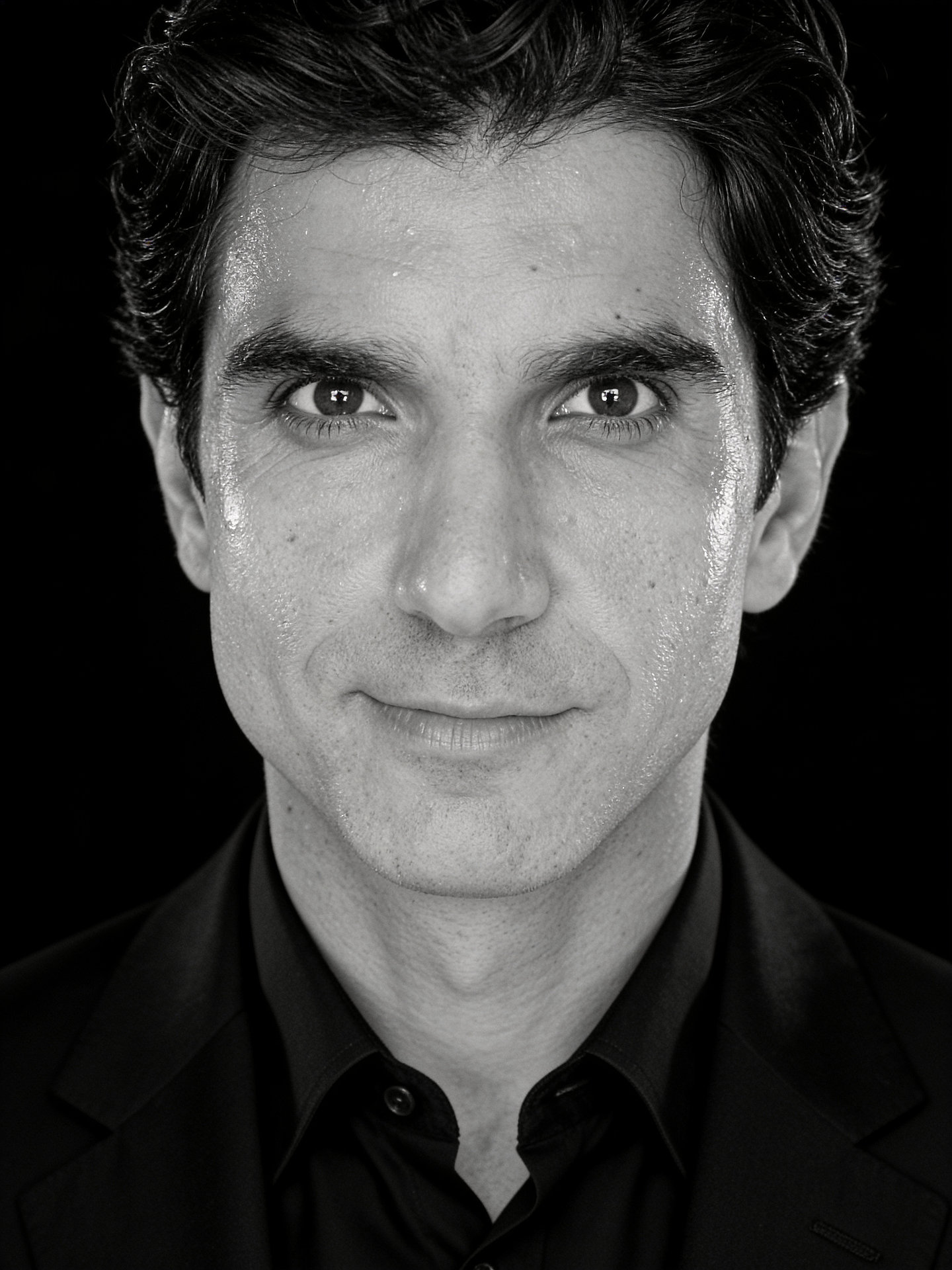
Meet Dr. David Sayah
Dr David Sayah is a board certified plastic surgeon in Beverly Hills known for his natural approach to aesthetic surgery. With more than 26 years of experience, he combines surgical precision with artistic insight to deliver balanced and refined results. His philosophy centers on enhancing individual beauty rather than changing it.
A graduate of the UCLA School of Medicine and a Fellow of the American College of Surgeons, Dr Sayah trained at leading medical centers including NYU and UCLA. His work in wound healing and scar formation research helps patients heal beautifully with minimal scarring. Fluent in five languages, he welcomes patients from Beverly Hills, Los Angeles, and across the world who seek exceptional, natural results.
Schedule Your Revision Rhinoplasty Consultation in Los Angeles
If unsatisfactory results from previous rhinoplasty are affecting your appearance, breathing, and confidence, we can help. Dr. Sayah’s extensive revision rhinoplasty experience and expertise in complex nasal reconstruction can correct problems from previous surgery and finally achieve the results you deserve.
Contact Simply Males today at (310) 928-0920 to schedule your confidential consultation. We serve men throughout Los Angeles and Beverly Hills and welcome patients from around the world seeking expert revision rhinoplasty and secondary nose surgery.
Medically reviewed by David N. Sayah, MD, MD, FACS on