Your nose carries more than just aesthetic significance-it represents cultural heritage, family resemblance, and personal identity. When you’re considering rhinoplasty as a man from an Asian, African American, Middle Eastern, Hispanic, or Mediterranean background, you face a unique decision: how much of your ethnic characteristics do you want to preserve, and what specific features do you want to refine?
Dr. David N. Sayah is a board-certified plastic surgeon with fellowship training in advanced endoscopic techniques and over 15 years of experience specializing in procedures for men. His exclusive focus on male patients throughout Los Angeles and Beverly Hills, combined with his extensive experience treating diverse international populations, has made him an expert in ethnic rhinoplasty that respects cultural identity while achieving your personal aesthetic vision. He speaks multiple languages (French, Spanish, Farsi, and Italian) and understands the nuanced beauty standards across different cultures.
Ethnic rhinoplasty differs fundamentally from standard rhinoplasty. It recognizes that beauty standards vary across cultures and that your ethnic features are valuable characteristics worth preserving-unless you personally choose otherwise. Whether you want subtle refinement maintaining your heritage or more dramatic transformation, both choices are valid and deserve expert execution.
I had my rhinoplasty with Dr Sayah and could not be happier. The result is exactly what I wanted, natural and balanced. His team at Simply Males made the entire process smooth and professional. Thank you all!
Understanding Ethnic Nasal Characteristics in Men
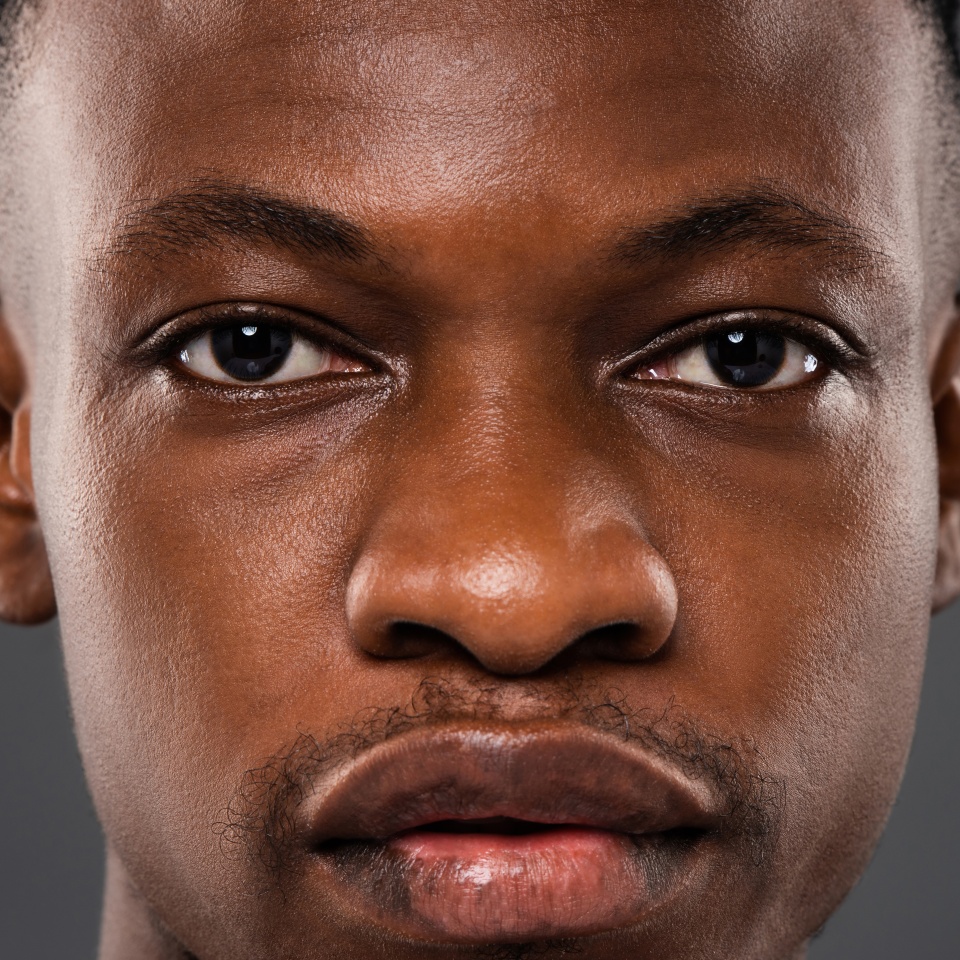
Different ethnic backgrounds present distinct nasal characteristics that influence surgical approach, techniques required, and achievable outcomes:
Asian Rhinoplasty Considerations
- Lower Nasal Bridge: Many Asian men have naturally lower bridges requiring augmentation for desired projection and definition.
- Wider Nasal Base: The nasal base is often broader, sometimes requiring careful refinement while maintaining ethnic character.
- Thicker Nasal Skin: Common in many Asian backgrounds, affecting healing timeline and visible definition of underlying work.
- Less Prominent Tip: Tips often require enhancement through grafting to create more projection and definition.
- Shorter Nasal Length: Sometimes requiring lengthening techniques to improve proportion and create more commanding presence.
African American Rhinoplasty Considerations
- Wide Nasal Base: Often requiring reduction while carefully maintaining ethnic character and avoiding over-narrowing.
- Thicker Sebaceous Skin: Very thick skin common in African American men, affecting postoperative swelling timeline and achievable definition.
- Weaker Cartilage Framework: May necessitate substantial structural grafting for adequate support and projection.
- Lower Bridge Height: Sometimes requiring augmentation to create more defined profile and stronger presence.
- Flared Nostrils: May require thoughtful reduction while preserving natural appearance and avoiding pinched results.
Middle Eastern Rhinoplasty Considerations
Prominent Nasal Humps: Frequently addressed through careful reduction while maintaining masculine strength.
- Drooping Tips: Often requiring elevation and refinement to create more refined profile.
- Thick Nasal Skin: Particularly at the tip, affecting definition and requiring extended patience for final results.
- Strong Cartilage: Provides good structural foundation for reshaping, allowing predictable results.
- Dorsal Irregularities: May require smoothing while maintaining adequate height and avoiding over-reduction.
Hispanic and Latino Rhinoplasty Considerations
- Variable Characteristics: Reflecting diverse heritage backgrounds-some features resembling European ancestry, others indigenous characteristics.
- Sometimes Thicker Skin: Particularly in those with indigenous heritage, affecting tip definition.
- Wide Nasal Base: Occasionally requiring refinement while maintaining facial harmony.
- Combination Features: Often requiring individualized approach addressing unique anatomical variations.
- Cultural Identity Balance: Desire for refinement while maintaining connection to heritage.
Mediterranean Rhinoplasty Considerations
- Prominent Dorsal Humps: Commonly addressed through hump reduction while maintaining strong masculine profile.
- Bulbous Tips: Often requiring refinement and definition without creating pinched appearance.
- Strong Nasal Bones: Allowing predictable reshaping with reliable outcomes.
- Natural Appearance Priority: Desire for refinement that maintains ethnic characteristics and family resemblance.
Why Men Choose Ethnic Rhinoplasty in Los Angeles
Men from diverse ethnic backgrounds seek culturally sensitive nose surgery for various personal reasons:
Ethnic Feature Refinement
You want to refine specific ethnic features that you feel are too prominent-perhaps a dorsal hump, wide bridge, or bulbous tip-while maintaining your overall ethnic identity and family resemblance.
Bridge Augmentation Needs
Your naturally lower bridge creates a less defined profile than you want. Bridge augmentation can create more projection and presence while maintaining appropriate ethnic proportions.
Breathing Difficulties
Structural issues like deviated septum or narrow internal valves are affecting your breathing. Functional correction can occur simultaneously with any aesthetic refinement you desire.
Professional Image Enhancement
In competitive business environments, refined facial features contribute to the commanding presence you want to project while maintaining your cultural identity and authentic appearance.
Post-Trauma Reconstruction
Previous injury left your nose with irregularities or asymmetry. Reconstruction can restore better appearance while respecting your ethnic characteristics.
Nostril Refinement
Flared or wide nostrils create imbalance you want to address. Thoughtful reduction creates better proportion while maintaining natural ethnic appearance.
Tip Definition
Your tip lacks the definition you want-appearing too bulbous, wide, or undefined. Refinement creates more structure while maintaining appropriate size for your ethnic background.
Personal Aesthetic Vision
You have a specific vision for how you want your nose to look-whether that’s subtle enhancement or more dramatic transformation. Your goals are valid regardless of where they fall on the preservation-to-transformation spectrum.
“Ethnic rhinoplasty is not about creating a generic nose,” explains Dr. Sayah. “It is about understanding each patient’s unique vision for their appearance. Some patients want refinement that makes them look like an enhanced version of themselves from their ethnic background. Others desire more dramatic changes. My role is listening carefully to understand your specific goals and creating results that align with your personal aesthetic vision while maintaining natural appearance.”
Male-Specific Ethnic Rhinoplasty Techniques
Ethnic rhinoplasty for men requires specialized techniques that maintain masculine proportions:
Augmentation Rhinoplasty for Men
Many ethnic rhinoplasty patients require augmentation rather than reduction-particularly Asian and some African American men:
- Cartilage Grafting: Using septal, ear, or rib cartilage to build up low bridges, enhance projection, or strengthen weak structures. Cartilage provides the most natural, permanent augmentation.
- Bridge Building: Creating adequate height and projection for masculine profiles. Men typically need more substantial augmentation than women to achieve commanding presence.
- Tip Enhancement: Strategic grafting provides structure and projection without creating delicate or feminine appearance.
- Natural Integration: Grafts are carefully shaped and positioned to blend seamlessly with your existing structure, appearing like natural anatomy.
Reduction Techniques with Cultural Sensitivity
When reduction is needed-common in Middle Eastern and Mediterranean men:
- Hump Removal: Reducing prominent dorsal humps while maintaining adequate height for masculine strength. Conservative reduction prevents over-scooped or feminine profiles.
- Width Reduction: Controlled osteotomies narrow excessive bridge width while preserving appropriate proportions for your ethnic background and facial structure.
- Tip Refinement: Creating definition without creating pinched or over-refined appearance inappropriate for masculine aesthetics or ethnic characteristics.
- Balanced Approach: Ensuring reductions maintain facial harmony and don’t create obviously surgical or non-ethnic appearance.
Managing Thick Nasal Skin
Thicker nasal skin common in many ethnic backgrounds requires specialized management:
- Conservative Defatting: Strategic tissue removal when appropriate, improving definition without compromising healing or creating irregularities.
- Realistic Expectations: Understanding that very thick skin limits visible refinement regardless of excellent underlying structural work.
- Extended Timeline: Thick skin requires 18-24 months for complete contraction and final definition to emerge fully.
- Structural Emphasis: Focusing on creating strong underlying framework that will show through once skin contracts fully over time.
Preservation vs. Transformation: Your Choice
One of the most important aspects of ethnic rhinoplasty consultation involves determining your personal goals:
- Preservation-Focused Approach: Subtle refinement while maintaining strong ethnic identity. Conservative modifications that enhance specific concerns without erasing overall appearance. Results where most observers wouldn’t identify that surgery occurred.
- Balanced Refinement Approach: Noticeable improvement while retaining core ethnic characteristics. Moderate reshaping providing clear aesthetic enhancement while maintaining family resemblance and cultural connection.
- Transformation-Focused Approach: Dramatic changes significantly reducing ethnic appearance. Comprehensive reshaping when specifically desired. Westernization of features representing your personal aesthetic vision.
Dr. Sayah respects all positions on this spectrum without judgment, recognizing that cultural identity and aesthetic preferences are deeply personal matters with no “right” answer.
What Ethnic Rhinoplasty Addresses
Culturally sensitive nose surgery creates comprehensive improvement:
Enhanced Definition
Create more defined nasal contours appropriate for masculine aesthetics while respecting ethnic characteristics.
Improved Proportions
Balance your nose with other facial features, creating harmony throughout your face.
Bridge Augmentation
Build adequate height and projection for commanding masculine profiles when naturally low bridges exist.
Hump Reduction
Smooth prominent dorsal humps while maintaining strong, masculine bridge height.
Tip Refinement
Create definition in bulbous or undefined tips without over-refinement or pinched appearance.
Width Correction
Narrow excessive width while maintaining proportions appropriate for your ethnic background.
Breathing Improvement
Address functional issues like deviated septum or narrow valves simultaneously with aesthetic refinement.
Cultural Respect
All modifications respect your heritage and personal vision-preserving ethnic identity when desired or creating transformation when that’s your goal.
The Ethnic Rhinoplasty Procedure
Dr. Sayah performs all ethnic rhinoplasty procedures at his fully accredited surgery center in Beverly Hills:
- Approach: Open or closed rhinoplasty depending on your specific needs. Complex cases requiring extensive grafting typically use open approach for optimal visualization.
- Duration: 2-4 hours depending on complexity. Augmentation cases requiring substantial grafting may take longer.
- Anesthesia: General anesthesia ensures your comfort throughout the procedure.
- Technique: Customized based on your specific anatomy and goals-may include cartilage grafting for augmentation, osteotomies for narrowing, hump reduction, tip refinement, septoplasty for breathing, and any other techniques needed to achieve your vision.
You’ll rest in the recovery suite for a few hours before being discharged home with comprehensive post-operative instructions.
Combining Ethnic Rhinoplasty With Other Procedures
Many men combine ethnic nose surgery with complementary procedures:
- Chin augmentation to strengthen overall profile and balance nasal refinement
- Facial fat grafting to enhance facial contours
- Septoplasty to correct breathing difficulties
- Turbinate reduction to improve nasal airflow
- Comprehensive rhinoplasty addressing multiple concerns simultaneously
Dr. Sayah will evaluate your complete facial structure and recommend which combination best achieves your goals.
Recovery After Ethnic Rhinoplasty
Recovery follows standard rhinoplasty timeline, though thicker skin common in many ethnic backgrounds often requires extended patience:
- First Week: You’ll wear a nasal splint protecting your nose during initial healing. Swelling and bruising are normal, typically peaking days 2-3. Splint removal around day 7 reveals improved appearance though significant swelling remains.
- Weeks 2-4: Progressive swelling reduction allows increasingly apparent improvement. Most men return to work within 2-3 weeks. Avoid any activities risking nasal trauma.
- Months 2-6: Continued gradual improvement as swelling slowly resolves. Your refinements become clearly apparent. Breathing reaches maximum improvement if functional corrections were performed.
- Months 6-12: Substantial improvement evident with most swelling resolved. Men with thicker skin continue seeing gradual definition emergence.
- Months 12-24: Final definition emerges as thick skin fully contracts. This extended timeline is normal for ethnic rhinoplasty with thicker skin. Results are worth the patience.
Men with thicker nasal skin should understand that final results take longer to emerge but are equally excellent once complete swelling resolution occurs.
Frequently Asked Questions About Ethnic Rhinoplasty
-
The degree of ethnic appearance change depends entirely on your goals and the surgical approach chosen. Conservative ethnic rhinoplasty maintains strong ethnic identity while providing targeted refinement. More dramatic approaches can significantly reduce ethnic appearance if that’s your personal desire. Dr. Sayah works with you to achieve exactly the result you want–whether that’s subtle enhancement or comprehensive transformation. Both are valid choices.
-
Ethnic noses often require different techniques than standard rhinoplasty. Augmentation rather than reduction is frequently needed. Managing thicker skin for optimal definition requires specialized experience. Working with different cartilage characteristics and understanding cultural beauty ideals ensures better results. Surgeons experienced in ethnic rhinoplasty achieve superior outcomes because they understand these unique considerations and can avoid the “one-size-fits-all” approach.
-
Yes, ethnic rhinoplasty often includes functional improvements alongside aesthetic refinement. Correcting deviated septums, reducing enlarged turbinates, strengthening weak internal valves, and widening narrow airways can all be performed simultaneously with cosmetic work. This creates comprehensive improvement in both appearance and breathing capacity through a single surgery and recovery period.
-
When performed by an experienced surgeon like Dr. Sayah who understands ethnic nasal anatomy and cultural aesthetics, ethnic rhinoplasty creates natural-looking results appropriate for your background. Whether you desire subtle refinement or more dramatic change, results should appear balanced and harmonious rather than obviously surgical or disconnected from your ethnic heritage.
-
Asian rhinoplasty often focuses primarily on augmentation–building up low bridges, enhancing tip projection, and creating more definition. In contrast, Middle Eastern or Mediterranean rhinoplasty more commonly involves reduction of prominent features like dorsal humps. The techniques, challenges, and aesthetic goals differ significantly based on ethnic background, which is why choosing a surgeon experienced with your specific ethnicity is important.
-
Yes, Dr. Sayah maintains extensive photo galleries of ethnic rhinoplasty results organized by patient ethnic background. Viewing results from patients with similar nasal anatomy and ethnic characteristics helps you visualize potential outcomes and communicate your aesthetic preferences effectively during consultation. This ensures you and Dr. Sayah share the same vision for your results.
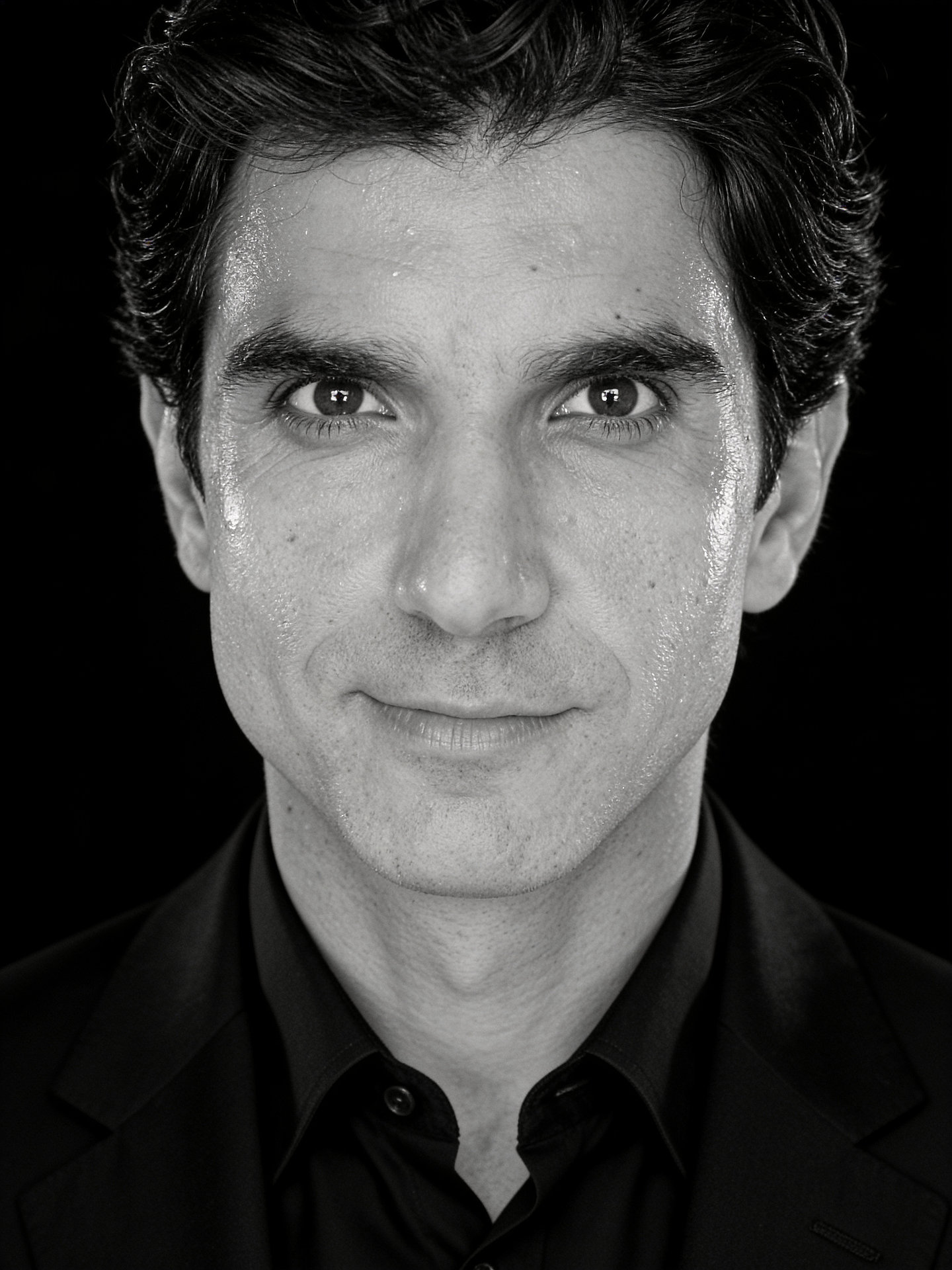
Why Choose Simply Males for Ethnic Rhinoplasty in Beverly Hills
- Exclusive Male Focus: Dr. Sayah specializes exclusively in procedures for men, understanding the critical differences in masculine proportions versus feminine aesthetics across all ethnic backgrounds.
- Cultural Sensitivity: Extensive experience treating diverse international populations ensures understanding of varied beauty standards and cultural perspectives on aesthetic enhancement.
- Multilingual Communication: Dr. Sayah speaks French, Spanish, Farsi, and Italian, facilitating comfortable communication with patients from diverse backgrounds.
- Customized Approach: All surgical plans are customized to your specific anatomy, ethnic background, and personal vision-never a one-size-fits-all approach.
- Preservation or Transformation: Dr. Sayah respects all goals from subtle preservation-focused refinement to dramatic transformation without judgment.
- Advanced Grafting Expertise: Extensive experience with cartilage grafting techniques essential for ethnic rhinoplasty, particularly augmentation procedures.
- Natural, Masculine Results: Results maintain appropriate masculine proportions while respecting ethnic characteristics and your personal aesthetic vision.
- Advanced Training: With fellowship training in endoscopic techniques and over 15 years focusing on male facial surgery, Dr. Sayah offers the most refined approaches to ethnic rhinoplasty. His education at UCLA Medical Center provides exceptional surgical skill.
- State-of-the-Art Facility: All procedures are performed at our fully accredited surgical facility in Beverly Hills with the highest safety protocols and latest technology.
Meet Dr. David Sayah
Dr David Sayah is a board certified plastic surgeon in Beverly Hills known for his natural approach to aesthetic surgery. With more than 26 years of experience, he combines surgical precision with artistic insight to deliver balanced and refined results. His philosophy centers on enhancing individual beauty rather than changing it.
A graduate of the UCLA School of Medicine and a Fellow of the American College of Surgeons, Dr Sayah trained at leading medical centers including NYU and UCLA. His work in wound healing and scar formation research helps patients heal beautifully with minimal scarring. Fluent in five languages, he welcomes patients from Beverly Hills, Los Angeles, and across the world who seek exceptional, natural results.
Schedule Your Ethnic Rhinoplasty Consultation in Los Angeles
If you’re considering culturally sensitive nose surgery that respects your heritage while achieving your personal aesthetic goals, we can help. Dr. Sayah’s extensive experience with diverse ethnic populations and exclusive focus on male patients ensures results that enhance your appearance while maintaining the proportions and characteristics you value.
Contact Simply Males today at (310) 928-0920 to schedule your confidential consultation. We serve men throughout Los Angeles and Beverly Hills and welcome patients from around the world seeking expert ethnic rhinoplasty and culturally sensitive nose surgery.
Medically reviewed by David N. Sayah, MD, MD, FACS on