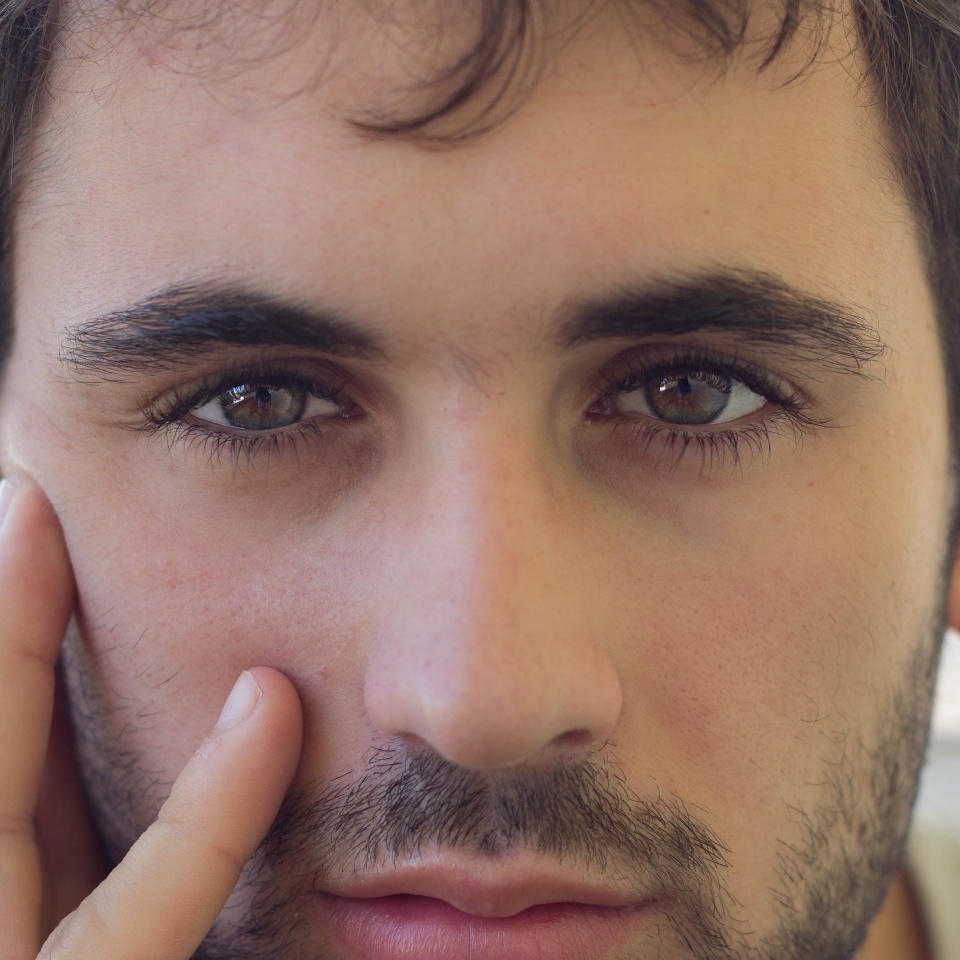
Your nose deviates from the central vertical axis of your face. When you look in the mirror straight-on, the asymmetry is immediately obvious-your nose leans to one side, disrupting your facial balance and symmetry. One side of your face looks different from the other. The deviation might affect your entire nose or just certain segments, but the result is the same: visible crookedness that draws attention and undermines your confidence.
Dr. David N. Sayah is a board-certified plastic surgeon with fellowship training in advanced endoscopic techniques and over 15 years of experience specializing in procedures for men. His exclusive focus on male patients throughout Los Angeles and Beverly Hills has made him an expert in straightening deviated noses while maintaining masculine proportions and natural appearance. His artistic background combined with surgical precision allows him to create straight alignment that appears completely natural.
Beyond aesthetic concerns, crooked noses frequently cause functional problems-nasal obstruction from internal deviation, breathing difficulties during exercise or sleep, chronic sinus issues from poor drainage, and snoring or sleep disturbances. Correcting a crooked nose addresses both the visible asymmetry and these breathing problems simultaneously.
I had my rhinoplasty with Dr Sayah and could not be happier. The result is exactly what I wanted, natural and balanced. His team at Simply Males made the entire process smooth and professional. Thank you all!
Understanding Crooked Nose Deformity in Men
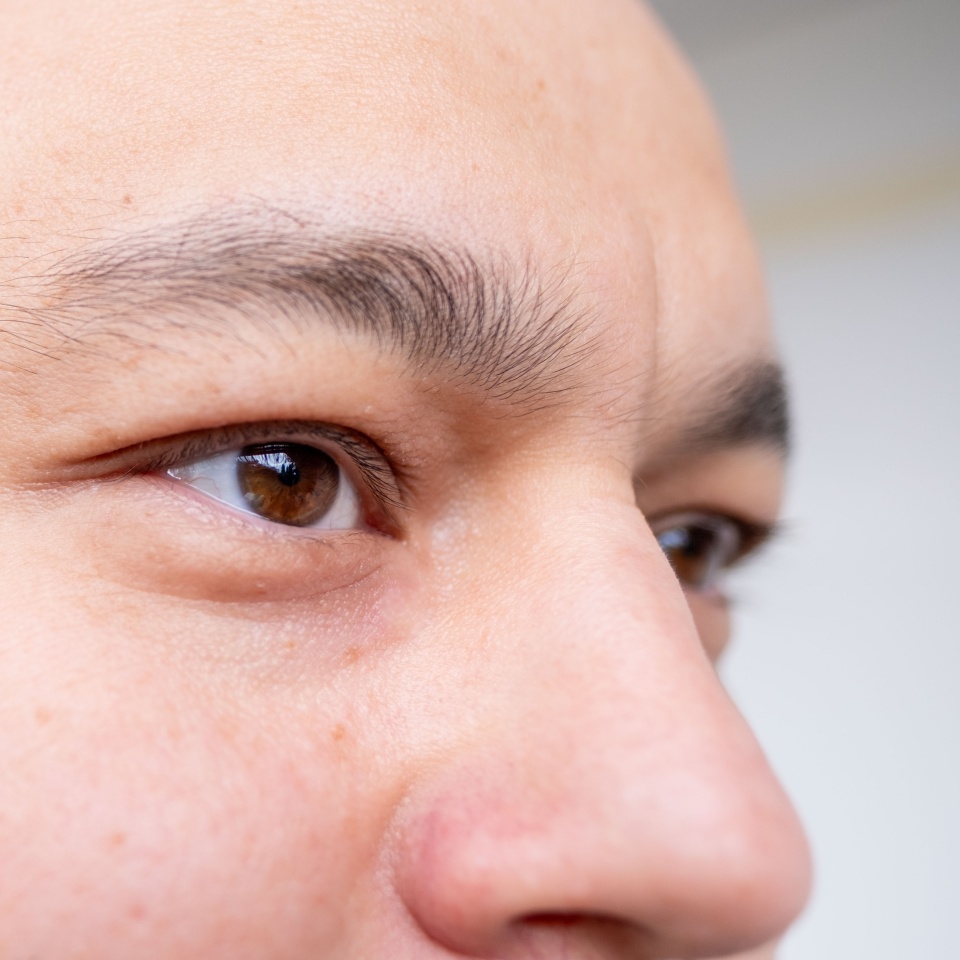
A crooked nose deviates from the central vertical axis of your face, creating asymmetry apparent when viewing your face straight-on or in profile. The deviation may affect your entire nose or just certain segments:
- Bony Deviation: Your nasal bones (the hard upper portion you can feel) are displaced to one side. This is often from previous trauma.
- Cartilaginous Deviation: The cartilages forming your middle and lower nose are twisted or displaced, creating visible external crookedness.
- Septal Deviation: Your internal septum (the wall dividing your nostrils) deviates, causing both external crookedness and breathing obstruction.
- Tip Deviation: Your nasal tip points off-center rather than straight ahead, even if your bridge is relatively straight.
- Combined Deviation: Multiple components deviate in different directions-the most common and most complex type requiring comprehensive correction.
Common causes:
- Traumatic injury from sports accidents, vehicle collisions, falls, or physical altercations that displaced nasal bones or cartilage
- Congenital deviation present from birth due to developmental factors
- Deviated septum causing external nasal crookedness and breathing obstruction
- Growth abnormalities during development creating progressive deviation
- Previous rhinoplasty that resulted in persistent or worsened deviation
- Childhood trauma that healed in deviated position creating permanent crookedness
Why Men Choose Crooked Nose Surgery in Los Angeles
Men seek nasal straightening when the deviation affects their appearance and quality of life:
Facial Asymmetry
The visible deviation disrupts your facial symmetry, making one side of your face look different from the other. The asymmetry is the first thing people notice about your appearance.
Self-Consciousness
You’re constantly aware of the crookedness. You avoid certain camera angles, become self-conscious in photos and video calls, and wish your nose sat straight on your face.
Professional Impact
In business environments, the visible asymmetry can undermine the polished, commanding presence you want to project. Facial symmetry contributes to perceived competence and attractiveness.
Post-Trauma Concerns
A previous injury (sports, accident, assault) left your nose crooked. The visible deviation serves as a constant reminder of the trauma and prevents you from looking like your pre-injury self.
Breathing Difficulties
The external deviation almost always accompanies internal septal deviation causing breathing obstruction. You can’t breathe properly through one or both nostrils, affecting exercise capacity and sleep quality.
Failed Previous Surgery
You underwent rhinoplasty to straighten your nose but ended up with persistent or worsened deviation. The surgeon failed to adequately address all components or the nose shifted during healing.
Progressive Worsening
Your nose wasn’t always this crooked-the deviation has progressively worsened over time. You want correction before it gets even more pronounced.
Combined Aesthetic Concerns
Beyond the crookedness, you have other nasal concerns (hump, wide bridge, bulbous tip). Addressing everything simultaneously makes sense-one surgery, one recovery.
“Correcting a crooked nose represents one of rhinoplasty’s most challenging procedures,” explains Dr. Sayah. “Success demands meticulous surgical planning and precise execution. Often it requires structural grafting to maintain correction long-term. My goal is creating straight alignment that appears natural while improving both appearance and breathing.”
Male-Specific Crooked Nose Correction Techniques
Straightening a deviated nose requires comprehensive surgical planning addressing all components:
Controlled Osteotomies
Repositioning your deviated nasal bones requires controlled fractures:
- Strategic Fractures: Precisely placed osteotomies allow your nasal bones to be mobilized from their deviated position.
- Repositioning: The bones are carefully moved into central alignment, creating straight appearance from the frontal view.
- Secure Positioning: Your repositioned bones are held in place during healing through splinting and structural support.
- Symmetric Correction: Both sides are addressed to ensure balanced, symmetric alignment.
Septoplasty
Straightening your internal septum is essential for most crooked nose corrections:
- Internal Straightening: The deviated portions of your septum are removed or repositioned to create a straight internal partition.
- Breathing Improvement: Opening your obstructed airways dramatically improves nasal airflow.
- Graft Harvesting: The removed septal cartilage provides valuable grafting material for external reconstruction.
- Functional Restoration: Proper airflow is restored while creating the foundation for external straightening.
Cartilage Grafting
Structural grafts maintain straight alignment during healing:
- Spreader Grafts: Cartilage strips placed along each side of your septum act like internal splints, holding your nose in straight position and preventing middle vault collapse.
- Batten Grafts: These reinforce your sidewalls, preventing asymmetric collapse that would recreate deviation.
- Dorsal Grafts: When needed, grafts along your bridge maintain straight contour and prevent irregularities.
- Tip Grafts: Ensure your tip remains centered rather than deviating off to one side.
These grafts function like internal splints-holding your nose straight while scar tissue forms and structures stabilize, preventing recurrent deviation.
Tip Repositioning
When your tip deviates off-center:
- Careful Reshaping: Your tip cartilages are reshaped and repositioned to center them on your facial midline.
- Suture Techniques: Strategic sutures maintain centered position permanently.
- Symmetric Appearance: Creates balanced appearance with your tip pointing straight ahead rather than off to one side.
Addressing Cartilage Deviation
When your cartilages are twisted or displaced:
- Reshaping: Twisted cartilages are straightened through scoring, reshaping, and repositioning techniques.
- Grafting: Additional cartilage grafts reinforce weak or asymmetric areas, creating symmetric framework.
- Comprehensive Correction: All cartilage components are addressed-not just the most obvious deviations.
What Crooked Nose Correction Addresses
Nasal straightening creates comprehensive improvement:
Restored Symmetry
Straighten your deviated nose, creating facial balance and eliminating the asymmetry that disrupts your appearance.
Improved Breathing
Correct the internal septal deviation that’s been obstructing your airways, dramatically improving nasal airflow.
Enhanced Confidence
Eliminate the self-consciousness about your crooked nose and the constant awareness of facial asymmetry.
Natural Appearance
Create a nose that looks naturally straight rather than obviously reconstructed-the goal is symmetry, not surgical appearance.
Functional Restoration
Restore proper breathing through both nostrils, improving exercise capacity and sleep quality.
Facial Harmony
Create balance between your nose and other facial features, enhancing overall facial aesthetics.
Long-Term Stability
With proper surgical technique and structural grafting, your straightened nose remains straight permanently.
The Crooked Nose Correction Procedure
Dr. Sayah performs all crooked nose surgery at his fully accredited surgery center in Beverly Hills:
- Approach: Open or closed rhinoplasty depending on deviation severity. Complex cases requiring extensive reconstruction typically use open approach for optimal visualization.
- Duration: Typically 2-3.5 hours depending on complexity. More severe deviation or combined cosmetic work takes longer.
- Anesthesia: General anesthesia ensures your comfort throughout the procedure.
- Technique: Dr. Sayah performs controlled osteotomies to reposition deviated bones, septoplasty to straighten internal septum, spreader graft placement to maintain straight alignment, cartilage framework correction to straighten twisted structures, tip repositioning to center asymmetric tips, and any additional structural work needed for complete correction.
You’ll rest in the recovery suite for a few hours before being discharged home with comprehensive post-operative instructions.
Combining Functional and Aesthetic Correction
Most crooked noses involve both aesthetic concerns and functional breathing problems:
Comprehensive Correction Advantages
- Single Surgery: One procedure addresses all concerns rather than requiring separate surgeries for breathing and appearance.
- Single Recovery: One healing period instead of multiple recoveries.
- Better Results: Addressing internal septum while straightening external structures creates optimal correction.
- Cost Efficiency: More economical than separate procedures, with potential insurance coverage for functional components.

Common Combinations
Men frequently combine crooked nose correction with:
- Septoplasty for breathing improvement (nearly always included)
- Turbinate reduction for additional breathing improvement
- Hump removal if dorsal irregularities exist
- Bridge narrowing if width issues exist alongside deviation
- Tip refinement if size or shape concerns exist beyond deviation
Dr. Sayah will evaluate all issues during consultation and create a comprehensive surgical plan addressing everything simultaneously.
Recovery After Male Crooked Nose Surgery
Recovery from crooked nose correction involves extended healing due to the structural work required:
- First Week: You’ll wear a nasal splint protecting your nose and maintaining straight alignment during initial healing. Swelling and bruising around your eyes and nose are normal, typically peaking days 2-3 before improving. Splint removal around day 7 reveals significantly straighter appearance, though swelling remains.
- Weeks 2-4: Progressive swelling and bruising resolution allows increasingly apparent straightening. Most men return to work and social activities comfortably within 2-3 weeks. Your nose appears noticeably straighter. Avoid any activities risking nasal trauma.
- Months 2-6: Continued gradual improvement as swelling slowly resolves. Straight alignment becomes increasingly apparent from all angles. Breathing improvement reaches maximum benefit as internal structures fully heal.
- Months 6-12: Final refinements occur as the last traces of swelling disappear. Complete straightness and improved symmetry are fully apparent. Results continue maturing with subtle improvements in definition.
- Long-Term Results: Properly performed crooked nose correction with adequate structural grafting provides permanent improvement. Your nose remains straight indefinitely when correction is done correctly.
The extensive structural work required for straightening sometimes results in slightly more initial swelling compared to other rhinoplasty procedures, but the wait is worth it for permanent straightening.
Frequently Asked Questions About Crooked Nose Surgery
-
Non-surgical options like injectable fillers can temporarily camouflage minor asymmetries by adding volume to depressed areas, creating the illusion of better symmetry. However, fillers cannot truly straighten a deviated nose–they’re just temporary camouflage. Surgical correction remains the only method providing permanent straightening when deviation is significant. For meaningful, lasting correction, surgery is necessary.
-
When performed by an experienced surgeon using proper structural grafting, correction typically remains stable long-term. However, healing forces can sometimes cause minor recurrent deviation, particularly in severe cases, revision rhinoplasty, or when adequate structural support isn’t used. This is why spreader grafts and other support structures are so important–they act like internal splints maintaining straightness as tissues heal. With proper technique, most men maintain excellent straightening permanently.
-
Yes, crooked nose correction is technically more challenging than standard rhinoplasty. It requires repositioning bones and cartilage that are in abnormal positions, often necessitates structural grafting to maintain correction, must counteract healing forces that can pull the nose back toward deviation, and requires meticulous attention to symmetry from all angles. This is why choosing an experienced surgeon is critical for optimal results.
-
Most crooked noses involve internal septal deviation causing breathing obstruction. Straightening the external nose almost always includes septoplasty correcting the internal deviation. This significantly improves nasal airflow in most men–often dramatically. Many men don’t realize how poorly they were breathing until after correction, when they experience proper airflow for the first time. The functional improvement is often as life-changing as the aesthetic improvement.
-
Once your splint is removed at one week, you’ll see that your nose is much straighter. Swelling obscures fine details and can create temporary appearance of minor asymmetry. By 6-8 weeks, most swelling has resolved, allowing accurate assessment of straightness. Final results continue refining through 12 months as all swelling completely resolves. Patience is important–your nose will look progressively straighter as healing continues.
-
Yes, once nasal growth is complete (typically age 16 or older for males), crooked nose correction can be performed. This is particularly common for athletes who suffered nasal fractures that healed crooked. However, athletes must avoid contact sports for 6-8 weeks after surgery to prevent trauma that could displace the correction. Strategic timing around sports seasons is important.
Why Choose Simply Males for Crooked Nose Surgery in Beverly Hills
- Exclusive Male Focus: Dr. Sayah specializes exclusively in procedures for men, understanding how facial symmetry and straightness uniquely matter for masculine aesthetics.
- Structural Grafting Expertise: Successful crooked nose correction requires extensive structural grafting to maintain straightness. Dr. Sayah’s advanced training ensures optimal graft placement and long-term stability.
- Three-Dimensional Approach: Addressing all deviation components simultaneously-bones, cartilage, septum-creates comprehensive correction rather than isolated improvements.
- Functional Priority: Nearly all crooked nose corrections include septoplasty for breathing improvement-Dr. Sayah’s dual expertise in functional and cosmetic rhinoplasty ensures optimal outcomes for both.
- Natural, Masculine Results: Your straightened nose will maintain appropriate proportions for masculine aesthetics, appearing naturally straight rather than obviously surgical.
- Preventing Recurrence: Extensive use of support grafts prevents the nose from shifting back toward deviation during healing-ensuring your correction is permanent.
- Advanced Training: With fellowship training in endoscopic techniques and over 15 years focusing on male facial surgery, Dr. Sayah offers the most refined approaches to crooked nose correction. His education at UCLA Medical Center provides exceptional surgical skill.
- State-of-the-Art Facility: All procedures are performed at our fully accredited surgical facility in Beverly Hills with the highest safety protocols and latest technology.
Meet Dr. David Sayah
Dr David Sayah is a board certified plastic surgeon in Beverly Hills known for his natural approach to aesthetic surgery. With more than 26 years of experience, he combines surgical precision with artistic insight to deliver balanced and refined results. His philosophy centers on enhancing individual beauty rather than changing it.
A graduate of the UCLA School of Medicine and a Fellow of the American College of Surgeons, Dr Sayah trained at leading medical centers including NYU and UCLA. His work in wound healing and scar formation research helps patients heal beautifully with minimal scarring. Fluent in five languages, he welcomes patients from Beverly Hills, Los Angeles, and across the world who seek exceptional, natural results.
Schedule Your Crooked Nose Consultation in Los Angeles
If a crooked or deviated nose is affecting your appearance, breathing, and confidence, we can help. Dr. Sayah’s extensive experience in straightening deviated noses and creating facial symmetry can restore the balanced, straight appearance you deserve.
Contact Simply Males today at (310) 928-0920 to schedule your confidential consultation. We serve men throughout Los Angeles and Beverly Hills and welcome patients from around the world seeking expert crooked nose surgery and deviated nose correction.
Medically reviewed by David N. Sayah, MD, MD, FACS on