Gender-affirming chest masculinization-commonly called FTM (female-to-male) top surgery-represents a critical step in transgender men’s transition journey, alleviating chest dysphoria and enabling authentic self-expression. For many transmasculine individuals, breast tissue creates profound psychological distress, anxiety, and disconnect between internal identity and physical appearance. The inability to present as masculine, restrictions on clothing choices, binding discomfort, and constant awareness of chest appearance significantly impact mental health, daily functioning, and quality of life. Top surgery eliminates this persistent source of dysphoria, creating the flat, masculine chest that aligns physical appearance with gender identity.
Dr. David N. Sayah is a board-certified plastic surgeon with over 15 years of experience specializing exclusively in procedures for men, including comprehensive gender-affirming care for transgender and non-binary individuals. His UCLA Medical Center surgical training emphasized complex chest reconstruction and body contouring, providing the specialized expertise essential for FTM top surgery requiring meticulous attention to masculine chest aesthetics, nipple-areola preservation, and optimal functional outcomes. His exclusive focus on masculine procedures means he deeply understands the chest anatomy and proportions that create authentic male appearance-knowledge essential for creating results that allow transgender men to move through the world comfortably and confidently.
FTM top surgery removes breast tissue, excess skin, and fat while creating masculine chest contours with appropriately sized and positioned nipple-areola complexes. Various surgical techniques exist-from periareolar approaches for minimal breast tissue to double incision procedures for larger chests-each selected based on individual anatomy, tissue amount, skin elasticity, and aesthetic goals. When performed expertly with appropriate technique selection and meticulous execution, top surgery provides profound relief from dysphoria, enables comfortable masculine presentation, and significantly improves mental health and quality of life.
From consultation to procedure, the experience at Simply Males was exceptional! The team made me feel comfortable and respected from day one. The results exceeded my expectations and looks completely natural. Thank you!

Understanding FTM Top Surgery and Gender-Affirming Care
FTM top surgery, also known as masculinizing chest surgery or chest masculinization, involves removing breast tissue and contouring the chest to create masculine appearance. The procedure differs fundamentally from gynecomastia surgery despite similar goals-transgender patients typically have more tissue requiring removal, different skin quality considerations, and specific aesthetic requirements for masculine chest appearance. Successful outcomes require understanding the nuances of transmasculine chest aesthetics including appropriate pectoral contours, nipple positioning, areola sizing, and scar placement.
Gender dysphoria-the distress resulting from incongruence between assigned sex and gender identity-often centers significantly on chest appearance for transmasculine individuals. Top surgery provides substantial dysphoria relief, with research consistently showing dramatic improvements in mental health, quality of life, social functioning, and overall wellbeing post-operatively. For many transgender men, top surgery represents the most important medical intervention in their transition, even more so than hormone therapy or other procedures.
Why Transgender Men Choose Top Surgery for Masculine Chest
Transmasculine individuals seek chest masculinization for essential gender-affirming care:
Severe Chest Dysphoria
Profound psychological distress from breast tissue presence creating constant anxiety and disconnect from physical body.
Authentic Gender Expression
Inability to present masculinely in clothing, social situations, and daily life due to chest appearance.
Binding Complications
Chronic pain, breathing difficulties, and health concerns from chest binding required to flatten appearance.
Social Transition Completion
Desire to live fully as male without chest outing transgender identity in public situations.
Mental Health Improvement
Need for dysphoria relief improving depression, anxiety, and overall psychological wellbeing.
Physical Activity Limitations
Inability to participate comfortably in sports, swimming, gym activities due to chest concerns.
Intimate Relationship Comfort
Desire for authentic intimacy without dysphoria or self-consciousness about chest appearance.
Complete Gender Affirmation
Top surgery as critical component of comprehensive transition addressing most prominent source of dysphoria.
FTM Top Surgery Techniques for Masculine Chest Contours
Selecting optimal approach based on anatomy:
Double Incision with Free Nipple Grafts
- Best For: Moderate to large chest size, significant skin excess, or limited skin elasticity requiring comprehensive tissue removal.
- Surgical Approach: Horizontal incisions below pectoral muscles removing all breast tissue, excess skin, and fat creating flat masculine contours.
- Nipple-Areola Treatment: Nipples completely removed, resized, and repositioned as grafts in masculine position and proportions.
- Scar Pattern: Horizontal scars across lower chest typically concealed in natural pectoral fold-most common and predictable technique.
- Advantages: Allows maximum tissue removal, precise nipple positioning, optimal contouring, and best results for larger chests.
- Considerations: Creates visible scars and involves temporary loss of nipple sensation (often returns partially over 6-12+ months).
Periareolar (Keyhole) Technique
- Best For: Minimal breast tissue (A-cup or smaller), excellent skin elasticity, and minimal excess skin requiring removal.
- Surgical Approach: Circular incision around areola removing breast tissue through limited access with skin redraping naturally.
- Nipple-Areola Treatment: Nipples remain attached with preserved sensation, blood supply, and erectile function intact.
- Scar Pattern: Minimal scarring limited to areola border-nearly invisible when healed optimally.
- Advantages: Preserves nipple sensation completely, creates minimal scarring, and maintains natural nipple function.
- Considerations: Limited tissue removal capacity, potential for skin rippling if excess exists, and may require revision if skin doesn’t retract.
Inverted-T or T-Anchor Technique
- Best For: Very large chest size, significant tissue excess, and poor skin quality requiring maximum removal.
- Surgical Approach: Anchor-shaped incision pattern allowing removal of extensive tissue and skin creating masculine contours.
- Nipple-Areola Treatment: Typically uses free nipple graft technique ensuring optimal positioning and sizing.
- Scar Pattern: More extensive scarring but necessary for very large chest tissue amounts.
- Advantages: Addresses severe tissue excess and achieves flat contours when other techniques insufficient.
- Considerations: More visible scarring accepted as necessary trade-off for adequate tissue removal in challenging cases.
Peri-Areolar with Chest Contouring
- Best For: Small to moderate chest (B-cup), good skin elasticity, and modest excess skin.
- Surgical Approach: Extended periareolar incision allowing more tissue removal than keyhole while preserving nipple attachment.
- Scar Pattern: Scarring around areola border-more extensive than keyhole but less than double incision.
- Advantages: Preserves some nipple sensation while allowing more tissue removal than simple keyhole technique.
- Considerations: Technique selection depends on individual anatomy-not suitable for all patients.
The Benefits of FTM Top Surgery in Los Angeles
Gender-affirming chest masculinization provides essential improvement:
Elimination of Chest Dysphoria
Remove primary source of gender incongruence providing profound psychological relief and improved mental health.
Authentic Masculine Presentation
Enable comfortable presentation as male in clothing, social situations, and daily life without binding.
Improved Quality of Life
Dramatic enhancement in overall wellbeing, social functioning, and life satisfaction consistently shown in research.
Freedom From Binding
Eliminate need for chest binding and associated health concerns including pain, breathing difficulties, and skin problems.
Enhanced Physical Activity
Participate comfortably in sports, swimming, exercise, and activities previously avoided due to dysphoria.
Social Transition Completion
Live fully in affirmed gender without chest appearance potentially outing transgender identity.
Intimate Relationship Comfort
Experience authentic intimacy without dysphoria or self-consciousness about chest appearance.
Recovery After FTM Top Surgery
Post-operative healing timeline:
- First Week: Moderate chest soreness and tightness managed with pain medication. Compression vest worn continuously. Surgical drains present initially requiring care.
- Weeks 2-4: Progressive comfort improvement. Drains typically removed within first week. Compression vest continues. Can perform careful daily activities.
- Months 1-2: Substantial healing progress. Gradual return to light exercise around week 4-6. Compression vest discontinued. Upper body exercises remain restricted.
- Months 2-3: Resume chest exercises and full upper body training by week 8-12. Most swelling resolved revealing masculine contours.
- Months 3-6: Significant healing complete. Scars maturing and fading. Nipple sensation potentially beginning to return if grafts used.
- Months 6-12: Final results apparent. Scars continue improving. Partial nipple sensation may return though complete restoration uncommon with grafts.
- Long-Term: Results permanent. Flat, masculine chest maintained throughout life. Scars fade substantially over 12-24 months.

Insurance Coverage for FTM Top Surgery
Understanding financial considerations:
- Insurance Coverage Availability: Many insurance plans now cover gender-affirming surgery including FTM top surgery when medical necessity documented.
- Required Documentation: Letters from mental health providers confirming gender dysphoria diagnosis, documented hormone therapy (some carriers), and medical necessity justification.
- Pre-Authorization Process: Insurance pre-approval required before surgery-typically 4-8 weeks processing time.
- Coverage Criteria Variation: Requirements differ by insurance carrier-some require 12 months hormone therapy, others have different criteria.
- Our Office Support: Experienced staff assists with insurance documentation, pre-authorization submission, and appeals if initial denial occurs.
- Self-Pay Options: For patients without coverage or choosing not to use insurance, financing options available.
Candidacy and Preparation for Top Surgery
Understanding readiness for gender-affirming surgery:
- Age Requirements: Typically 18+ years old, though some surgeons operate on minors with appropriate documentation and parental consent.
- Mental Health Assessment: Letters from qualified mental health providers confirming gender dysphoria diagnosis and surgical readiness.
- Hormone Therapy: Some surgeons and insurance carriers require 12 months testosterone therapy, though not universally mandatory.
- Overall Health: Good physical health, stable weight, and no medical conditions significantly increasing surgical risks.
- Realistic Expectations: Understanding surgical outcomes, scar visibility, potential complications, and limitations of various techniques.
- Strong Support System: Having emotional support during recovery and transition journey improves outcomes and satisfaction.
Frequently Asked Questions About FTM Top Surgery
-
Requirements vary by surgeon and insurance carrier. Some surgeons and insurance plans require 12 months of testosterone therapy before top surgery, while others have more flexible criteria. Medical evidence doesn’t show testosterone requirement improves surgical outcomes—it’s primarily administrative requirement by some carriers. If you’re not on testosterone or haven’t been for 12 months, discuss with Dr. Sayah during consultation. Many surgeons prioritize patient readiness, mental health assessment, and medical necessity over arbitrary hormone therapy timelines, particularly when severe dysphoria makes waiting difficult.
-
Sensation outcomes depend on surgical technique used. Periareolar/keyhole techniques preserve nipple attachment maintaining complete sensation and function. Double incision with free nipple grafts involves removing and repositioning nipples—this typically causes complete initial sensation loss. Many patients regain partial sensation over 6-12+ months as nerves regenerate, though sensation usually differs from pre-surgery. Some patients recover substantial sensation while others have minimal return. For many transmasculine individuals, trade-off of potential sensation loss for flat masculine chest and dysphoria relief is acceptable—mental health benefits typically outweigh sensation considerations.
-
Scar visibility depends on technique used and individual healing characteristics. Double incision creates horizontal scars across lower chest—initially pink and raised, fading substantially over 12-24 months becoming lighter and flatter. Periareolar scars limited to areola border typically heal nearly invisibly. Proper scar care, sun protection, and following post-operative instructions optimize healing. Many transgender men view scars as affirming evidence of transition rather than negative—”battle scars” representing authentic self-actualization. Chest masculinization’s profound benefits typically far outweigh scar visibility concerns for most patients.
-
Yes—after complete healing (typically 8-12 weeks), you can resume all chest exercises including bench press, push-ups, and upper body training without restrictions. Top surgery removes breast tissue while preserving pectoral muscles completely. Many transgender men report enjoying chest workouts post-surgery without previous dysphoria. Building pectoral muscles enhances masculine chest appearance further. Proper healing before resuming strenuous activity is essential preventing complications. Most men find they can train chest effectively post-operatively, and many enjoy fitness activities previously avoided due to dysphoria.
-
Revision surgery addresses concerns including contour irregularities, excess tissue remaining, scar revision needs, nipple repositioning or resizing, or asymmetries requiring correction. Most patients achieve excellent results with initial surgery, but revision rates of 5-15% are normal for addressing minor refinements. Waiting 6-12 months before revision allows complete healing and scar maturation. Dr. Sayah discusses realistic expectations during consultation preventing disappointment from unrealistic goals. If legitimate surgical concerns exist, revision addresses them appropriately. Comprehensive initial consultation and technique selection minimize revision needs.
-
After top surgery, breast tissue is removed eliminating need for future mammograms in most cases. However, small amounts of tissue may remain, and some surgeons recommend periodic chest self-exams. Testosterone therapy affects health screening needs more than top surgery itself—discuss appropriate screening schedules with your primary care physician familiar with transgender health. Top surgery doesn’t affect other health screenings or preventive care needs. Maintaining relationship with transgender-affirming healthcare providers ensures appropriate ongoing care addressing your specific health needs.
Why Choose Dr. Sayah for FTM Top Surgery at Simply Males
- Exclusive Male Specialization: Dr. Sayah specializes exclusively in masculine procedures, understanding chest anatomy and aesthetics that create authentic male appearance.
- Gender-Affirming Care Expertise: Compassionate, affirming approach recognizing profound importance of top surgery for transgender patients’ wellbeing.
- Multiple Technique Mastery: Expertise in all FTM top surgery techniques-periareolar, double incision, inverted-T-selecting optimal approach for anatomy.
- Masculine Aesthetic Understanding: Deep knowledge of male chest proportions, nipple positioning, and contours essential for authentic results.
- Insurance Authorization Assistance: Experienced staff helping navigate insurance requirements, documentation, and pre-authorization process.
- Psychological Understanding: Recognition of dysphoria’s impact and surgery’s mental health benefits providing appropriate supportive care.
- Board Certification: Board-certified by the American Board of Plastic Surgery with over 15 years specialized experience.
- Inclusive, Affirming Environment: Creating welcoming, respectful space where transgender patients receive excellent care without judgment.
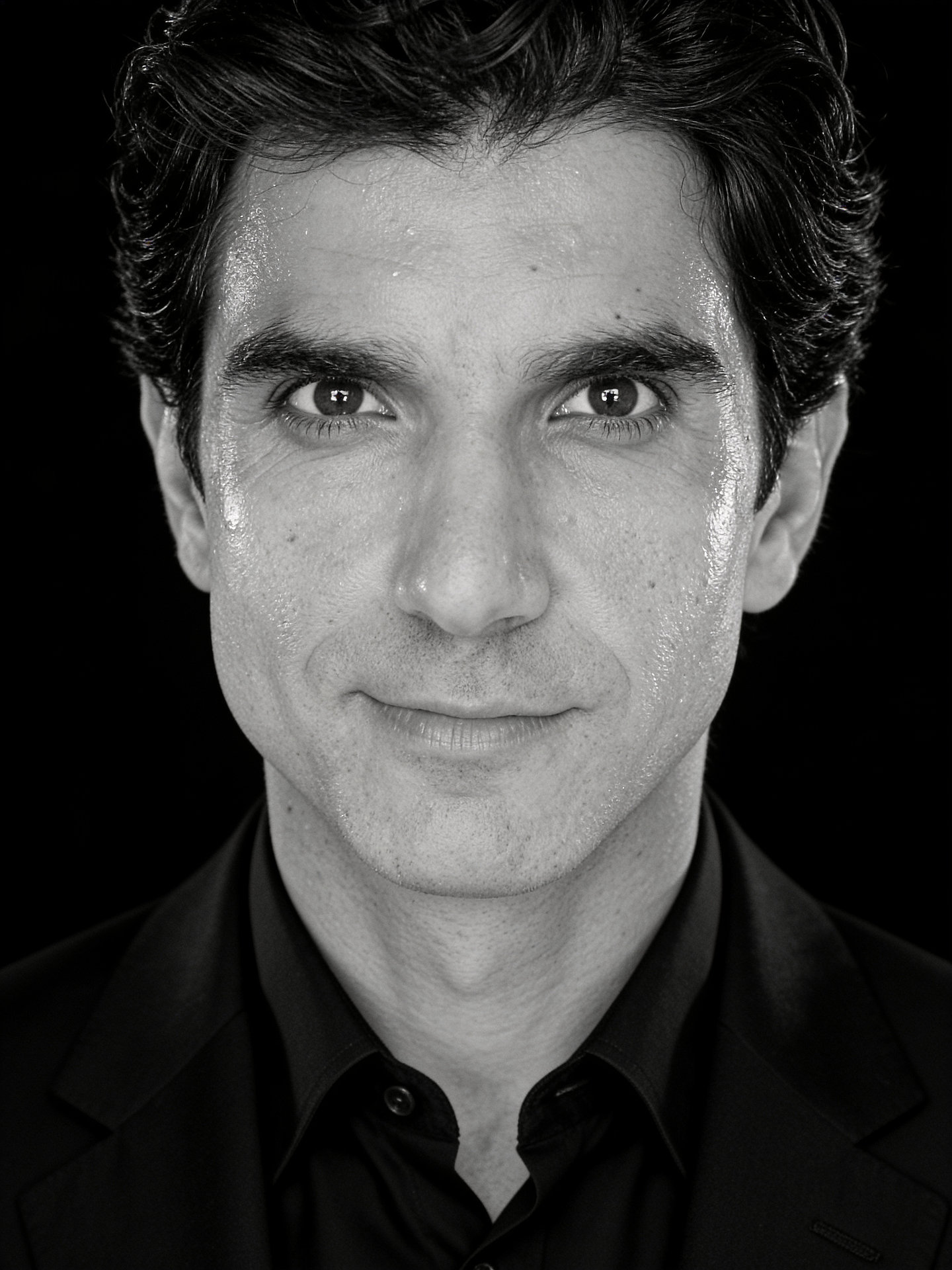
Meet Dr. David Sayah
Dr David Sayah is a board certified plastic surgeon in Beverly Hills known for his natural approach to aesthetic surgery. With more than 26 years of experience, he combines surgical precision with artistic insight to deliver balanced and refined results. His philosophy centers on enhancing individual beauty rather than changing it.
A graduate of the UCLA School of Medicine and a Fellow of the American College of Surgeons, Dr Sayah trained at leading medical centers including NYU and UCLA. His work in wound healing and scar formation research helps patients heal beautifully with minimal scarring. Fluent in five languages, he welcomes patients from Beverly Hills, Los Angeles, and across the world who seek exceptional, natural results.
Schedule Your FTM Top Surgery Consultation in Beverly Hills
If chest dysphoria is affecting your mental health, quality of life, and ability to live authentically, we can help. Dr. Sayah’s surgical expertise, compassionate approach, and understanding of gender-affirming care ensure you receive top surgery creating the masculine chest that aligns with your identity.
Contact Simply Males today at (310) 928-0920 to schedule your confidential consultation. We serve transgender men throughout Los Angeles and Beverly Hills and welcome patients from around the world seeking expert FTM top surgery and chest masculinization. Comprehensive assessment, insurance assistance, and personalized treatment planning included in every consultation. Your journey to authentic self-expression deserves compassionate, expert care.
Medically reviewed by David N. Sayah, MD, MD, FACS on