Hidradenitis suppurativa (HS)-also called acne inversa-is a chronic, painful skin condition that profoundly impacts quality of life through recurrent painful lesions, abscesses, and scarring in areas where skin rubs together. The condition typically affects armpits, groin, inner thighs, buttocks, and under the breasts, creating inflamed bumps that drain foul-smelling pus, cause severe pain, and develop scarring and tunnels (sinus tracts) under the skin. Beyond physical discomfort, HS creates significant psychological distress, social isolation, and limitations in daily activities, work, and relationships. Conservative treatments including antibiotics, anti-inflammatory medications, and lifestyle modifications provide temporary relief but often fail to control moderate to severe disease long-term.
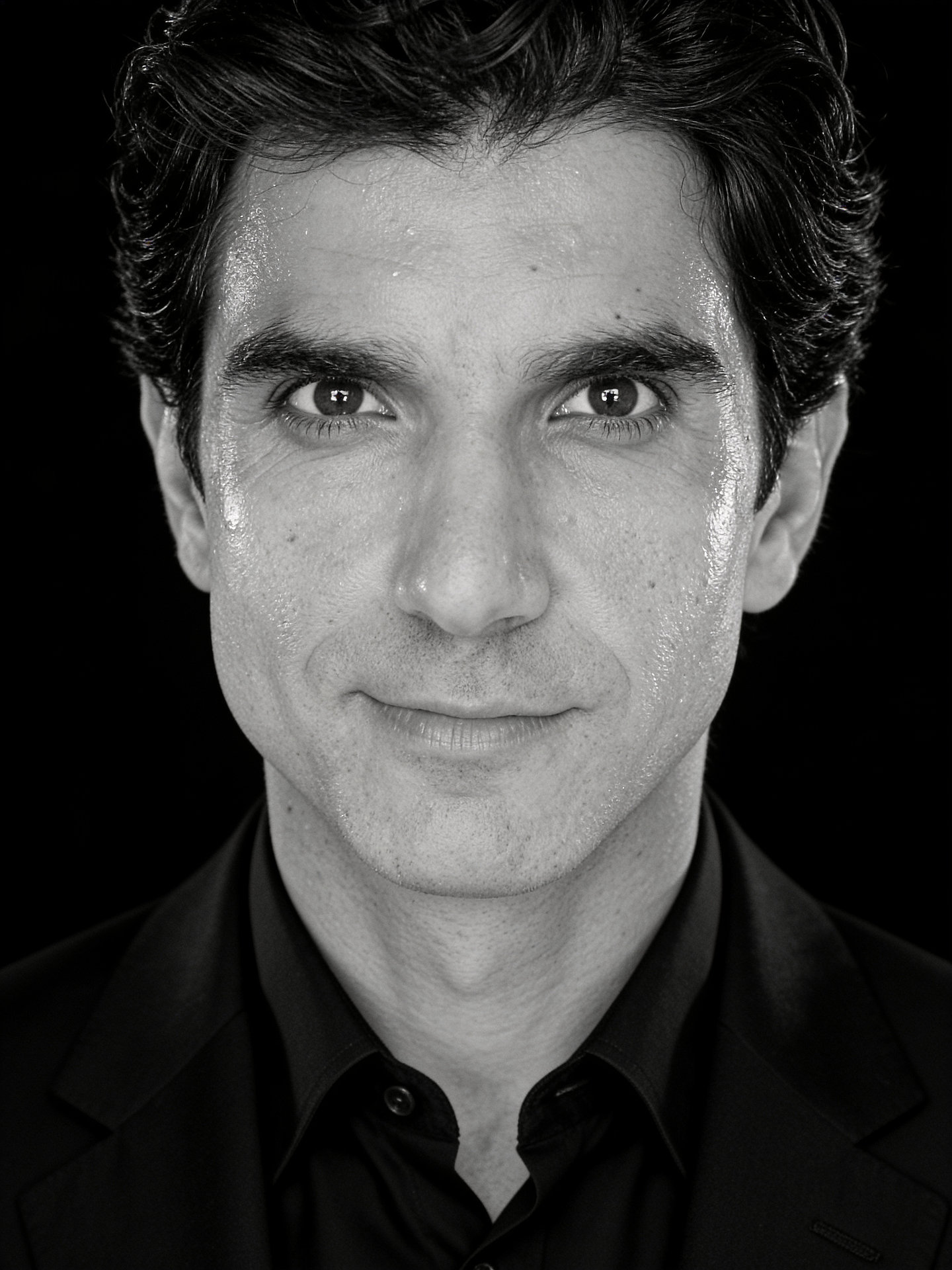
Dr. David N. Sayah is a board-certified plastic surgeon with fellowship training in advanced endoscopic techniques and over 15 years of experience specializing exclusively in procedures for men. His UCLA Medical Center surgical training emphasized complex wound management and reconstructive surgery essential for treating hidradenitis suppurativa effectively. His compassionate, understanding approach recognizes the profound impact this condition has on patients’ lives, and his surgical expertise provides definitive treatment offering relief and dramatically improved quality of life.
Surgical treatment for hidradenitis suppurativa removes affected tissue and sweat glands definitively, providing the highest cure rates (over 90%) for this challenging condition. Various surgical approaches exist-from draining individual abscesses to complete wide excision of diseased tissue-tailored to disease severity and extent. Advanced treatments including miraDry microwave technology and laser therapy offer minimally invasive options controlling sweat gland activity. When performed expertly with appropriate technique selection, hidradenitis surgery provides lasting relief, prevents recurrence, and restores comfort and confidence.
From consultation to procedure, the experience at Simply Males was exceptional! The team made me feel comfortable and respected from day one. The results exceeded my expectations and looks completely natural. Thank you!

Understanding Hidradenitis Suppurativa Disease
Hidradenitis suppurativa affects approximately 1-4% of the population, often beginning after puberty and persisting throughout life if untreated. The condition results from blocked hair follicles and sweat glands in areas with apocrine glands-leading to inflammation, infection, and progressive tissue damage. HS exists in three severity stages: Stage I involves isolated abscesses without scarring or sinus tracts; Stage II includes recurrent abscesses with scarring and sinus tract formation; Stage III presents extensive interconnected tracts, scarring, and multiple lesions across entire regions.
The disease causes significant physical suffering-severe pain during flare-ups, chronic drainage requiring frequent dressing changes, restricted mobility from lesions in movement areas, and malodorous discharge affecting social interactions. Psychological impact often exceeds physical symptoms-depression, anxiety, social withdrawal, relationship difficulties, and reduced work productivity are common. Early surgical intervention prevents progression to advanced stages and provides definitive cure, making proper treatment timing critical.
Why Men Choose Surgical Treatment for Hidradenitis Suppurativa
Men seek definitive surgical intervention when conservative treatments fail:
Recurrent Painful Flare-Ups
Repeated abscesses and lesions causing severe pain interfering with daily activities, work, and sleep quality.
Failed Conservative Treatment
Antibiotics, anti-inflammatories, and lifestyle modifications provide only temporary relief without preventing recurrence.
Progressive Disease
Condition worsening over time with increased lesion frequency, scarring development, and expanding affected areas.
Sinus Tract Formation
Tunnels developing under skin connecting lesions creating chronic drainage and infection impossible to control medically.
Severe Scarring
Extensive scarring from repeated flare-ups causing tissue contractures limiting movement and function.
Social Isolation
Drainage, odor, and pain causing avoidance of social situations, intimate relationships, and public activities affecting quality of life.
Work Limitations
Condition interfering with employment through frequent absences, physical limitations, or inability to perform job duties.
Quality of Life Impact
Profound effect on mental health, relationships, and daily functioning requiring definitive treatment solution.

Surgical Treatment Options for Hidradenitis Suppurativa
Comprehensive approaches addressing disease severity:
Incision and Drainage for Acute Flare-Ups
- Immediate Relief: Opening and draining active abscesses providing rapid pain relief during acute flare-ups.
- Temporary Solution: Addresses current lesions but doesn’t prevent recurrence-typically combined with definitive treatment.
- Minimal Intervention: Simple outpatient procedure useful for managing acute symptoms while planning comprehensive treatment.
Limited Excision for Localized Disease (Stage I-II)
- Targeted Removal: Excising individual lesions or small affected areas with surrounding normal tissue margin.
- Primary Closure: Closing wounds directly with sutures when excision relatively small allowing faster healing.
- Outpatient Procedure: Can be performed under local anesthesia in office setting for limited disease.
- Lower Recurrence Risk: Complete removal of affected tissue in margins reduces but doesn’t eliminate recurrence possibility.
Wide Excision for Moderate to Severe Disease (Stage II-III)
- Complete Tissue Removal: Excising all diseased tissue including surrounding sweat glands preventing recurrence in treated area.
- Deep Excision: Removing tissue down to deep fascia ensuring complete elimination of affected glands and sinus tracts.
- Highest Cure Rates: Over 90% long-term success when all diseased tissue removed completely with adequate margins.
- Wound Management Options: Various closure techniques depending on defect size and location.
Wound Closure and Reconstruction Techniques
- Primary Closure: Direct suturing for smaller excisions allowing faster healing with linear scars.
- Healing by Secondary Intention: Allowing wounds to heal naturally from bottom up-useful for deep or contaminated wounds.
- Skin Grafts: Covering large defects with skin harvested from other body areas providing immediate wound coverage.
- Skin Flaps: Moving adjacent tissue to cover defects maintaining blood supply and providing better cosmetic results than grafts.
- Negative Pressure Wound Therapy: Using vacuum-assisted devices promoting healing through controlled environment and drainage.
Advanced Minimally Invasive Options
- miraDry Microwave Treatment: Destroying sweat glands using controlled microwave energy-useful for axillary (armpit) hidradenitis.
- Laser Therapy: Treating diseased tissue and hair follicles with laser energy reducing inflammation and preventing recurrence.
- CO2 Laser Excision: Precisely removing affected tissue with laser providing excellent hemostasis and potentially better healing.
The Benefits of Hidradenitis Suppurativa Surgery
Definitive treatment provides life-changing relief:
Permanent Disease Control
Complete removal of affected tissue provides over 90% cure rate preventing recurrence in treated areas.
Elimination of Painful Flare-Ups
Surgery ends cycle of recurrent abscesses, lesions, and severe pain affecting daily life.
Restored Quality of Life
Return to normal activities, work, social situations, and relationships without disease limitations.
Prevention of Disease Progression
Early surgical intervention prevents advancement to severe stages with extensive scarring and sinus tracts.
Improved Mental Health
Relief from chronic pain and embarrassment significantly improves depression, anxiety, and psychological wellbeing.
Social Reintegration
Elimination of drainage, odor, and visible lesions allows comfortable participation in social and intimate situations.
Functional Improvement
Restored mobility and comfort in affected areas allowing full range of motion and physical activity.
Recovery After Hidradenitis Suppurativa Surgery
Post-operative healing timeline varies significantly based on surgical extent:
- Limited Excision Recovery: Most men return to desk work within 5-7 days with sutures removed at 10-14 days. Full activity by 3-4 weeks.
- Wide Excision with Primary Closure: Return to work within 1-2 weeks depending on location. Sutures remain 2-3 weeks. Full activity by 4-6 weeks.
- Wide Excision with Grafts/Flaps: More extensive healing-typically 2-4 weeks before return to work. Dressings require frequent changes initially. Full activity by 6-8 weeks.
- Secondary Intention Healing: Wounds healing naturally require 4-12 weeks depending on size. Daily dressing changes needed. Gradual return to activities.
- Pain Management: Discomfort well-controlled with medication-typically moderate soreness rather than severe pain except during acute flare-ups pre-surgery.
- Activity Restrictions: Avoiding strenuous exercise, heavy lifting, and activities causing friction in surgical areas during healing.
- Long-Term: Complete healing and scar maturation over 6-12 months. Dramatic improvement in quality of life apparent immediately post-healing.


Preventing Recurrence After Surgery
Optimizing long-term success:
- Complete Excision Essential: Removing all diseased tissue with adequate margins provides best recurrence prevention.
- Weight Management: Obesity increases recurrence risk-maintaining healthy weight reduces friction and disease triggers.
- Smoking Cessation: Smoking significantly worsens HS and increases recurrence-quitting essential for optimal outcomes.
- Hygiene Practices: Gentle cleansing, avoiding harsh soaps, and proper wound care during healing prevents infection.
- Clothing Choices: Loose, breathable clothing reducing friction and moisture in susceptible areas.
- Ongoing Monitoring: Regular follow-up detecting any early recurrence allowing prompt intervention before progression.
Candidacy and Realistic Expectations for HS Surgery
Understanding suitability for surgical treatment:
- Good Candidates: Men with Stage II-III hidradenitis, failed conservative treatment, recurrent flare-ups, or progressive disease significantly affecting quality of life.
- Disease Staging Importance: Surgery recommended most strongly for moderate to severe disease though early intervention prevents progression.
- Treatment Goals: Understanding surgery controls disease in treated areas but doesn’t cure underlying tendency-new areas may develop.
- Recovery Commitment: Willingness to follow extensive wound care requirements and activity restrictions during healing.
- Realistic Expectations: Recognizing extensive disease may require staged procedures addressing different areas over time.
- Insurance Coverage: Most major insurance carriers cover hidradenitis suppurativa surgery when medically necessary-our office assists with authorization.
Frequently Asked Questions About Hidradenitis Suppurativa Surgery
-
When diseased tissue is completely removed with adequate margins, recurrence in the treated area is very rare–surgical cure rates exceed 90%. However, hidradenitis suppurativa is a systemic condition affecting multiple body areas potentially. While surgery eliminates disease in excised locations, new lesions may develop in previously unaffected areas over time. Wide excision removing all sweat glands in the region provides best recurrence prevention. Factors affecting recurrence include complete vs. incomplete excision, smoking status, weight, and disease severity. Most patients experience dramatic long-term improvement without recurrence in surgically treated areas.
-
Scarring depends on surgical extent and closure technique. Limited excisions with primary closure create linear scars that fade substantially over time becoming relatively inconspicuous. Wide excisions requiring skin grafts or healing by secondary intention create more noticeable scarring–sometimes extensive depending on disease severity. However, most patients find surgical scars vastly preferable to chronic draining lesions, pain, and scarring from untreated disease. The trade-off between surgical scars and ongoing disease suffering strongly favors surgery. Dr. Sayah uses advanced closure techniques minimizing scarring whenever possible while prioritizing complete disease removal for highest cure rates.
-
Yes–most major insurance carriers cover surgical treatment for hidradenitis suppurativa when medically necessary. Documentation requirements include medical records showing failed conservative treatment (antibiotics, anti-inflammatories, etc.), photographs of lesions, physician notes describing functional impairment and quality of life impact, and sometimes dermatology consultation confirming diagnosis. Stage II and Stage III disease typically meet medical necessity criteria readily. Our office assists with insurance authorization, pre-approval documentation, and navigating carrier requirements. While coverage decisions vary by carrier and individual policy, the vast majority of HS surgery is approved because the condition significantly impacts health and quality of life.
-
Recovery varies significantly based on excision extent and closure method. Expect moderate to significant soreness initially managed with pain medication. If wounds closed primarily with sutures, healing typically occurs over 2-3 weeks with sutures removed around week 2-3. Dressing changes needed initially. Return to desk work possible within 1-2 weeks, full activity by 4-6 weeks. Wounds healing by secondary intention or with grafts require longer recovery–4-12 weeks for complete healing with frequent dressing changes. Activity restrictions include avoiding friction, strenuous exercise, and heavy lifting during healing. Despite recovery requirements, most patients report dramatic quality of life improvement immediately after healing makes recovery worthwhile.
-
Advanced minimally invasive treatments including miraDry microwave technology and laser therapy show promise for hidradenitis management, particularly in early stages or axillary (armpit) involvement. These treatments destroy sweat glands and treat inflamed tissue without excisional surgery, offering less invasive options with shorter recovery. However, cure rates are lower than surgical excision–typically providing improvement rather than complete elimination of disease. Best results occur in Stage I-II disease without extensive sinus tracts or scarring. Many patients benefit from combination approaches–surgery for severely affected areas with miraDry/laser for less involved regions. Dr. Sayah evaluates your disease pattern recommending optimal treatment approach balancing invasiveness with cure rates.
-
Consider surgical evaluation if you experience recurrent painful flare-ups despite medication, progressive disease worsening over time, sinus tract formation creating chronic drainage, extensive scarring limiting movement, or significant impact on quality of life affecting work, relationships, or daily activities. Surgery is typically recommended for Stage II-III disease (recurrent lesions with scarring/sinus tracts) or when conservative treatments fail to control symptoms adequately. Even Stage I disease may warrant surgery if flare-ups severely affect quality of life or occur in problematic locations. During consultation, Dr. Sayah examines affected areas, reviews treatment history, and discusses whether surgery offers better outcomes than continued medical management for your specific situation.
Why Choose Dr. Sayah for Hidradenitis Treatment
- Exclusive Male Focus: Dr. Sayah specializes exclusively in procedures for men, understanding the specific impact hidradenitis has on male patients.
- Compassionate, Understanding Care: Recognizing the profound physical and psychological suffering HS causes providing sensitive, judgment-free treatment.
- Complex Wound Expertise: UCLA Medical Center training emphasized reconstructive surgery and wound management essential for treating hidradenitis effectively.
- Multiple Treatment Options: Offering comprehensive approach from conservative measures to advanced surgical techniques including miraDry technology.
- Insurance Authorization Assistance: Experienced staff helping navigate insurance requirements and documentation for coverage approval.
- Over 90% Cure Rates: Meticulous surgical technique ensuring complete diseased tissue removal providing highest success rates.
- Board Certification: Board-certified by the American Board of Plastic Surgery with extensive experience treating hidradenitis suppurativa.
- Comprehensive Aftercare: Dedicated follow-up ensuring optimal healing, scar management, and long-term disease control.
Meet Dr. David Sayah
Dr David Sayah is a board certified plastic surgeon in Beverly Hills known for his natural approach to aesthetic surgery. With more than 26 years of experience, he combines surgical precision with artistic insight to deliver balanced and refined results. His philosophy centers on enhancing individual beauty rather than changing it.
A graduate of the UCLA School of Medicine and a Fellow of the American College of Surgeons, Dr Sayah trained at leading medical centers including NYU and UCLA. His work in wound healing and scar formation research helps patients heal beautifully with minimal scarring. Fluent in five languages, he welcomes patients from Beverly Hills, Los Angeles, and across the world who seek exceptional, natural results.
Schedule Your Hidradenitis Surgery Consultation in Beverly Hills
If hidradenitis suppurativa is causing pain, embarrassment, and limitations in your daily life, we can help. Dr. Sayah’s surgical expertise and compassionate approach provide definitive treatment offering lasting relief and dramatically improved quality of life.
Contact Simply Males today at (310) 928-0920 to schedule your confidential consultation. We serve men throughout Los Angeles and Beverly Hills and welcome patients seeking expert hidradenitis suppurativa surgery and advanced treatment options. Comprehensive evaluation, insurance assistance, and personalized treatment planning included in every consultation. We understand the suffering this condition causes and are committed to helping you achieve lasting relief.
Medically reviewed by David N. Sayah, MD, MD, FACS on