Enlarged male breasts-medically termed gynecomastia-affect far more men than most realize, creating profound embarrassment and self-consciousness that impacts quality of life significantly. The condition causes breast-like appearance in men due to excess glandular tissue, fat accumulation, or combination of both, creating feminine chest contours that undermine masculine appearance. Many men avoid shirtless situations entirely-beaches, pools, locker rooms, intimate settings-and carefully select loose clothing to disguise their chest. Despite rigorous exercise and strict dieting, enlarged male breasts persist because true glandular tissue cannot be eliminated through fitness alone.
Dr. David N. Sayah is a board-certified plastic surgeon with fellowship training in advanced endoscopic techniques and over 15 years of experience specializing exclusively in procedures for men. His unique background as an accomplished oil painter and sculptor provides exceptional insight into masculine chest anatomy and the flat, defined pectoral contours that characterize athletic male physiques. His UCLA Medical Center surgical training emphasized precision in gynecomastia correction, and his exclusive male focus means he understands the psychological impact of this condition and the importance of creating natural, masculine results.
Gynecomastia surgery (male breast reduction) removes excess breast tissue and fat creating flat, masculine chest contours that cannot be achieved through diet or exercise. The procedure addresses both the glandular tissue causing firmness and any excess fat contributing to chest fullness, often combining direct excision with liposuction for optimal results. When performed expertly with appropriate technique selection and meticulous execution, male breast reduction eliminates years of self-consciousness and embarrassment, restoring confidence and allowing men to enjoy activities previously avoided.
Great Experience! I’m glad I went to Dr. Sayah because he specializes in male plastic surgery. His staff was also great, when I walked into the office I felt like I was being greeted by friends. I’m very happy with my results and I would highly recommend Dr. Sayah to anyone considering plastic surgery.
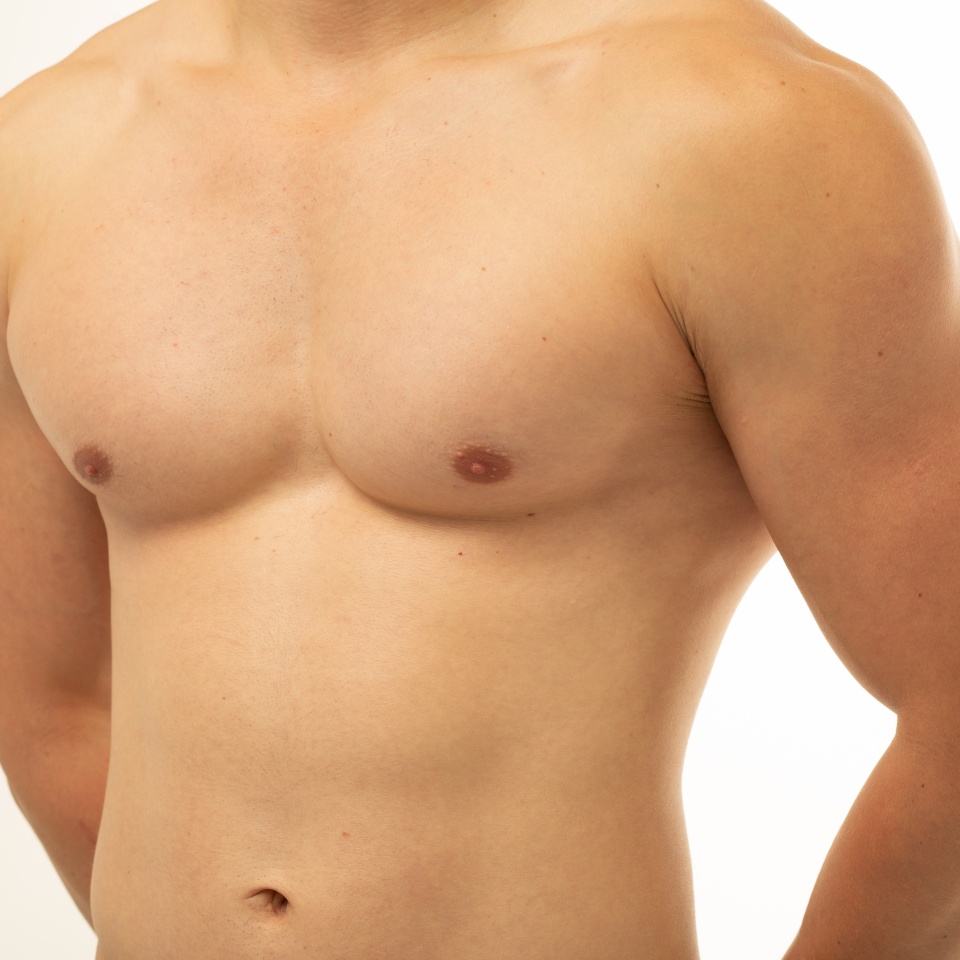
Understanding Gynecomastia and Male Breast Enlargement
Gynecomastia develops from various causes including hormonal imbalances (elevated estrogen or decreased testosterone), certain medications, marijuana use, anabolic steroids, obesity, genetic predisposition, or unknown factors (idiopathic gynecomastia). The condition can affect one or both breasts, sometimes asymmetrically. True gynecomastia involves firm glandular tissue beneath the nipple-areola complex-distinctly different from pseudogynecomastia where only excess fat creates chest fullness without glandular component.
The psychological impact of enlarged male breasts often exceeds the physical concern. Men with gynecomastia experience significant body image issues, social anxiety, depression, and avoidance behaviors affecting relationships and quality of life. Many describe feeling trapped in a body that doesn’t reflect their identity, causing constant self-consciousness about chest appearance in any situation requiring fitted or removed clothing.
Why Men Choose Breast Reduction Surgery for a Masculine Chest
Men seek male breast reduction when chest fullness affects confidence:
- True Gynecomastia: Firm glandular breast tissue beneath nipples creating feminine chest appearance that diet and exercise cannot eliminate.
- Pseudogynecomastia: Excess chest fat without significant glandular tissue creating breast-like appearance responsive to combined treatment.
- Mixed Presentation: Both glandular tissue and excess fat contributing to enlarged chest requiring comprehensive approach.
- Puffy Nipples: Prominent nipple-areola complex projecting forward creating obvious feminine appearance even with minimal overall chest size.
- Severe Enlargement: Significant breast development with skin laxity potentially requiring skin removal in addition to tissue excision.
- Asymmetric Chest: One breast noticeably larger than the other creating obvious imbalance affecting clothing fit and appearance.
- Post-Weight Loss Persistence: Massive weight loss eliminated body fat but chest fullness and glandular tissue remain disproportionately prominent.
- Social Avoidance: Avoiding beaches, pools, fitted clothing, intimate situations, and activities due to chest self-consciousness affecting lifestyle.

Gynecomastia Surgical Techniques for Flat, Defined Chest
Creating masculine chest contours:
Liposuction for Fatty Gynecomastia
- Ultrasound-Assisted Liposuction: Using VASER technology emulsifying chest fat allowing precise removal and skin tightening.
- Strategic Fat Removal: Contouring entire chest area including sides and borders creating masculine pectoral definition.
- Minimal Incisions: Small incisions at chest periphery or areola border allowing comprehensive fat removal without visible scarring.
- Skin Tightening Effect: Ultrasound energy stimulates collagen production providing mild skin tightening improving final contours.
Direct Excision for Glandular Tissue
- Periareolar Incision: Incision along lower half of areola border providing access for glandular tissue removal with minimal visible scarring.
- Glandular Excision: Removing firm breast tissue beneath nipple-areola complex that liposuction cannot adequately address.
- Nipple Preservation: Maintaining nipple sensation and blood supply through careful surgical technique preserving tissue connections.
- Pectoral Contouring: Creating flat, masculine chest contours with defined pectoral borders characteristic of athletic male physiques.
Extended Techniques for Severe Cases
- Skin Excision: Removing excess chest skin when significant laxity exists after tissue removal preventing adequate skin retraction.
- Areola Reduction: Decreasing enlarged areola diameter creating proportional, masculine nipple-areola complex size.
- Nipple Repositioning: Elevating descended nipples to appropriate masculine position when severe tissue excess caused drooping.
- Free Nipple Grafting: In extreme cases, completely removing and repositioning nipple-areola complex as skin graft ensuring proper placement.
Combination Approach for Optimal Results
- Liposuction Plus Excision: Most common approach combining fat removal with glandular tissue excision addressing all chest fullness components.
- Comprehensive Contouring: Addressing entire chest including sides, borders, and surrounding areas creating complete masculine appearance.
- Staged Procedures: Occasionally separating major reduction from refinement procedures in severe cases allowing optimal healing.

The Benefits of Male Breast Reduction
Gynecomastia surgery provides life-changing transformation:
Flat, Masculine Chest
Eliminate breast-like appearance creating defined pectoral contours characteristic of athletic male physiques.
Permanent Glandular Removal
Excised breast tissue doesn’t regrow providing lasting correction of true gynecomastia.
Enhanced Confidence
Restore self-confidence in shirtless situations, fitted clothing, and intimate settings without chest self-consciousness.
Improved Quality of Life
Participate freely in beaches, pools, sports, and activities previously avoided due to chest embarrassment.
Better Clothing Fit
Wear fitted shirts, athletic wear, and normal clothing comfortably without strategies to hide chest.
Minimal Visible Scarring
Strategic incision placement creates inconspicuous scars along areola borders or natural chest contours.
Natural-Looking Results
Expert technique creates masculine chest appearing naturally flat rather than obviously surgical.
Recovery After Gynecomastia Surgery
Post-operative healing timeline:
- First Few Days: Moderate chest soreness and tightness managed with pain medication. Compression garment worn continuously. Limited arm movement initially.
- Week 1: Progressive improvement in comfort. Most men return to desk work by day 3-5. Compression garment continues 24/7.
- Weeks 2-4: Substantial comfort improvement. Can perform careful daily activities. No heavy lifting or chest exercises. Compression garment during day only.
- Months 1-2: Resume light exercise around week 3-4. Gradually increase activity. Chest exercises permitted around week 4-6 starting with light weights.
- Months 2-3: Most swelling resolved revealing final chest contours. Can train chest normally. Scars maturing and fading.
- Months 3-12: Complete healing with final results apparent. Scars continue fading over 12-18 months. Permanent flat, masculine chest.
- Long-Term: Results permanent with maintained stable weight. Removed glandular tissue doesn’t regrow. Chest remains flat and masculine.
Preventing Gynecomastia Recurrence
Maintaining masculine chest long-term:
- Weight Management: Significant weight gain accumulates new chest fat though glandular tissue remains removed permanently.
- Avoid Anabolic Steroids: Steroid use creates hormonal imbalance potentially triggering new glandular tissue growth.
- Medication Review: Many common medications can cause gynecomastia-discussing alternatives with physician when possible.
- Hormone Monitoring: Addressing underlying hormonal imbalances preventing potential recurrence from continued imbalance.
- Marijuana Cessation: Stopping marijuana use which can contribute to gynecomastia development in susceptible individuals.
- Healthy Lifestyle: Maintaining fitness and stable weight preserving flat chest contours achieved through surgery.

Combining Gynecomastia Surgery With Body Contouring
Maximizing comprehensive transformation:
- Liposuction of abdomen, flanks, and back with gynecomastia correction creates complete upper body definition
- Tummy tuck combined with male breast reduction addresses both chest and abdominal concerns comprehensively
- Hi-def liposculpting with gynecomastia surgery creates maximum chest definition and visible muscle borders
- Pectoral implants with gynecomastia correction eliminates tissue while enhancing muscle creating complete chest transformation
- Multiple area liposuction addresses chest plus surrounding fat creating balanced, athletic torso
Dr. Sayah develops customized surgical plans combining appropriate procedures for optimal masculine results.
Candidacy and Realistic Expectations for Male Breast Reduction
Understanding suitability for gynecomastia surgery:
- Good Candidates: Men in good health with true gynecomastia or pseudogynecomastia, stable weight, realistic expectations, and completed breast development.
- Age Considerations: Surgery typically delayed until after puberty (18+) when breast development stabilizes naturally.
- Weight Stability: Maintaining stable weight for 6+ months ensuring chest condition stabilized before surgical correction.
- Non-Smokers: Smoking cessation required 4-6 weeks before and after surgery ensuring optimal healing without complications.
- Realistic Goals: Understanding surgery creates flat chest but doesn’t automatically create defined pectoral muscles without fitness.
- Psychological Readiness: Addressing underlying body image issues and ensuring realistic expectations about life changes post-surgery.
Frequently Asked Questions About Gynecomastia Surgery
Removed glandular tissue does not regrow after surgical excision, providing permanent correction of true gynecomastia. However, significant weight gain can accumulate new fatty tissue in the chest creating fullness despite glandular tissue remaining gone. Anabolic steroid use, certain medications, or hormonal conditions may potentially cause new glandular growth requiring additional treatment. Most men maintain excellent long-term outcomes by maintaining stable weight, avoiding steroids, and addressing underlying hormonal issues. The vast majority of gynecomastia patients never experience recurrence when following post-operative guidelines and maintaining healthy lifestyle.
Exercise and weight loss can reduce fatty tissue contributing to chest fullness but cannot eliminate true glandular breast tissue beneath the nipples. Chest exercises strengthen pectoral muscles but don’t reduce the firm, rubbery glandular tissue causing gynecomastia. Weight loss decreases overall body fat including chest fat, but the glandular component persists despite excellent fitness. Many extremely fit men with low body fat percentages still have prominent gynecomastia because the condition involves actual breast tissue–not just fat. Surgical excision represents the only definitive treatment for true gynecomastia, though weight loss may help reduce fatty component in pseudogynecomastia cases.
Incision placement is strategically designed to minimize visible scarring. Liposuction-only approach creates tiny scars easily hidden in natural chest contours or at periphery. Glandular excision typically requires periareolar incisions along lower border of areola–these heal remarkably well and become very difficult to detect. The incision follows the natural color transition between darker areola and lighter chest skin, camouflaging the scar line. Initial scars appear pink but fade substantially over 12-18 months becoming barely perceptible. Most men find minimal scarring an acceptable trade-off for eliminating years of chest embarrassment and achieving flat, masculine appearance.
Light walking is encouraged immediately after surgery supporting circulation and recovery. Upper body exercises and heavy lifting must wait 3-4 weeks allowing chest tissue to heal without complications. Lower body workouts without upper body strain can resume around 2 weeks carefully. Chest exercises including bench press, push-ups, and fly movements typically permitted around 4-6 weeks starting with light weights. Full gym activities resuming by 6-8 weeks based on individual healing progress. Gradual return to previous fitness levels over several weeks prevents complications. Dr. Sayah provides specific guidance based on surgical extent and your healing progression.
Most men experience moderate discomfort rather than severe pain after gynecomastia surgery. The sensation is typically described as chest tightness, soreness, and tenderness–similar to intense chest workout soreness. Prescribed pain medication manages discomfort effectively during initial recovery days. Many men transition to over-the-counter medication after first few days. Compression garment provides support reducing discomfort substantially and protecting healing tissues. Pain typically resolves significantly within first week, with most men feeling comfortable enough to return to work by day 3-5. Overall recovery is quite manageable with most patients surprised that discomfort is less than anticipated.
Insurance may cover male breast reduction when medical necessity is documented, though coverage varies by carrier and individual policy. Documentation supporting medical necessity includes evidence of true glandular tissue (not just fat), failed conservative treatment attempts, physical symptoms like pain or skin irritation, psychological impact affecting quality of life, and interference with daily activities. Purely cosmetic concerns typically aren’t covered regardless of psychological distress. Our practice provides comprehensive documentation for insurance consideration when applicable circumstances exist supporting medical necessity. However, most gynecomastia cases are considered cosmetic and require out-of-pocket payment despite significant quality of life impact.
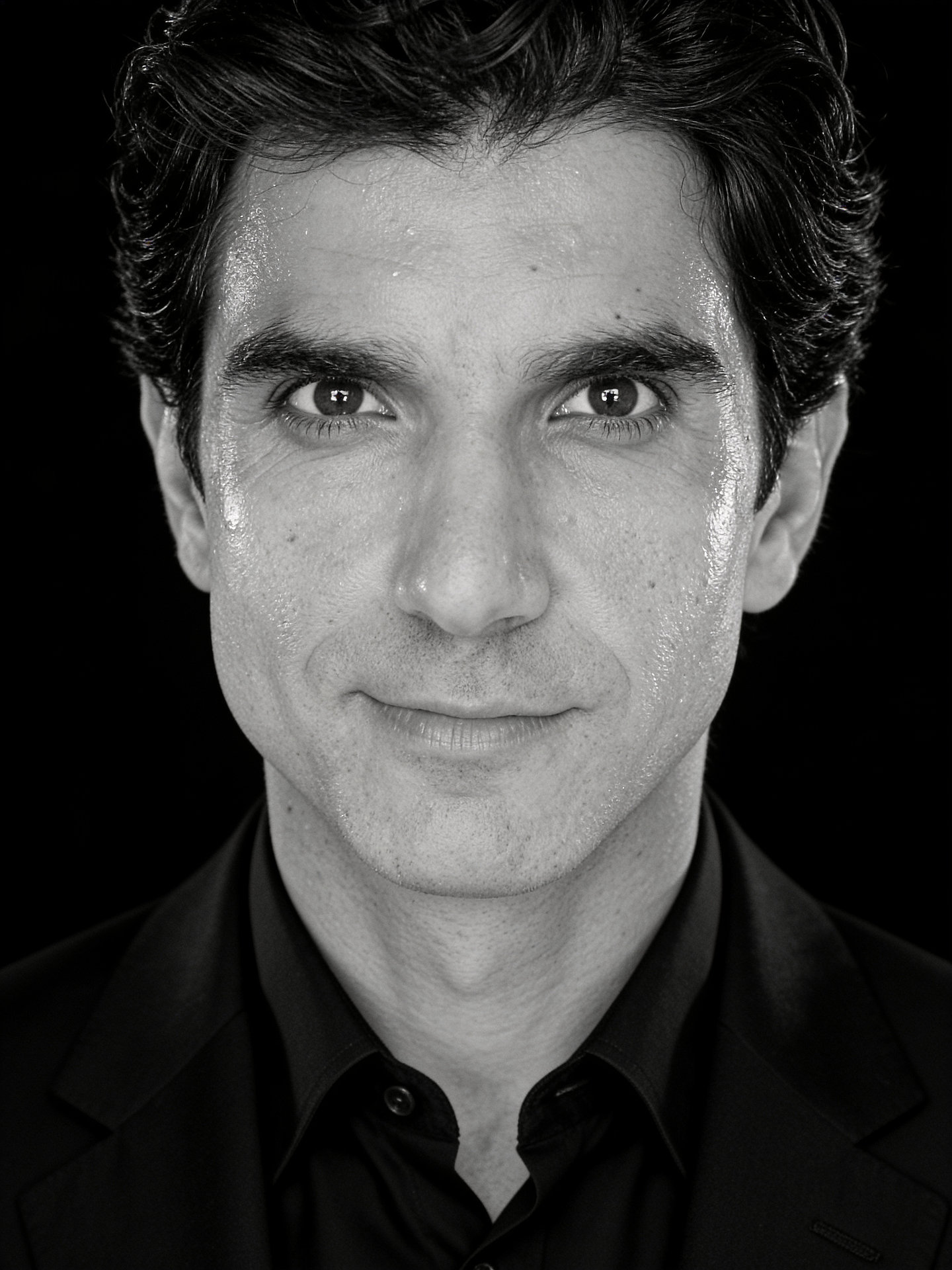
Why Choose Dr. Sayah for Expert Gynecomastia Surgery
- Exclusive Male Focus: Dr. Sayah specializes exclusively in procedures for men, understanding masculine chest anatomy and flat pectoral aesthetic goals.
- Gynecomastia Expertise: Extensive experience treating hundreds of men with gynecomastia understanding both physical and psychological aspects.
- Artistic Chest Contouring: Sculptor background provides insight into creating natural, flat masculine chest contours with defined borders.
- Comprehensive Approach: Combining liposuction and excision techniques addressing all chest fullness components for optimal results.
- Minimal Scarring Techniques: Expertise in periareolar incisions and strategic liposuction port placement minimizing visible scarring.
- Natural Results Priority: Creating flat, masculine chest appearing naturally athletic rather than obviously surgical or over-sculpted.
- Board Certification: Board-certified by the American Board of Plastic Surgery with UCLA Medical Center training in chest procedures.
- Discreet, Compassionate Care: Understanding embarrassment and sensitivity surrounding condition providing private, judgment-free environment.
Meet Dr. David Sayah
Dr David Sayah is a board certified plastic surgeon in Beverly Hills known for his natural approach to aesthetic surgery. With more than 26 years of experience, he combines surgical precision with artistic insight to deliver balanced and refined results. His philosophy centers on enhancing individual beauty rather than changing it.
A graduate of the UCLA School of Medicine and a Fellow of the American College of Surgeons, Dr Sayah trained at leading medical centers including NYU and UCLA. His work in wound healing and scar formation research helps patients heal beautifully with minimal scarring. Fluent in five languages, he welcomes patients from Beverly Hills, Los Angeles, and across the world who seek exceptional, natural results.
Schedule Your Gynecomastia Surgery Consultation in Beverly Hills
If enlarged male breasts are affecting your confidence, lifestyle, and quality of life, we can help. Dr. Sayah’s unique combination of surgical expertise, artistic vision, and exclusive male focus ensures you receive gynecomastia surgery creating natural, flat, masculine results.
Contact Simply Males today at (310) 928-0920 to schedule your confidential consultation. We serve men throughout Los Angeles and Beverly Hills and welcome patients from around the world seeking expert male breast reduction and gynecomastia correction. Comprehensive assessment and personalized treatment planning included in every consultation. We understand the sensitivity of this condition and provide discreet, compassionate care throughout your transformation journey.
Medically reviewed by David N. Sayah, MD, MD, FACS on